Showing posts with label Flowers. Show all posts

11 May 2026

Dandelion Flower Syrup (Recipe)


No matter how you feel about dandelions (I'm a fan myself), there's no denying they're delicious. Most of you probably know about the leaves, which are excellent both raw and cooked. But you might not realize that the flowers are also edible (and delightful). I wrote about making dandelion flower syrup years ago, but looking over that post again, I realized it needs work. Hopefully this time I'll explain things better, because this is a recipe everyone should try (unless you're allergic to dandelions or plants in the aster family).
 

Dandelion Flower Syrup 

fresh-picked dandelion flowers 

water 

granulated or superfine sugar 

(Approximate amounts are given below. You can adjust recipe, as long as you keep a 1:1 ratio of sugar to water.)

Pick dandelion flowers, making sure not to get them from roadsides or areas that have been sprayed with pesticides. A medium bowl of flowers will yield about 2 cups (473 mL) syrup. If you want to pick more flowers, have some help for the next part-- it's labour intensive! Once picked, you might want to spread the flowers on paper or a towel (in the shade) for about 15 minutes to give any insects a chance to leave (although I've never encountered many on the flowers I've picked).

Next, you'll need to separate the petals from any leafy bits. Twisting the bulbous part of the stem at the base of the flowers helps detach the petals; after that, pick out any leaves. Leaves will make your syrup bitter, so make sure to remove all of them. Warning: your fingers and nails will get stained, but it should wash off (the nail staining might last a day or two).

A medium bowl of flowers yields a small bowl of petals, somewhat densely packed (about 1 to 1 1/4 cups or 250 to 300 mL). At this point, if you want, you can put the petals in the fridge for 1 to 3 days before proceeding with the syrup.

When you're ready to make the syrup, rinse the petals, then place half in a med-small pot (you don't want a pot that's too large, but you do want to leave room for the syrup to boil and expand). Cover the flowers in about 2 cups (473 mL) of water, and bring to a simmer, covered. Simmer for 7 to 10 minutes. Use a sieve to strain petals from the liquid, and return liquid to the pot. Press drained petals with the back of a spoon to squeeze out any remaining liquid, then discard them. Repeat process with the other half of the petals, putting them back in the reserved liquid. 

Once the petals have all been removed from the liquid, add sugar. Boil uncovered on low heat until you get a syrupy consistency, 15 to 20 minutes after the sugar has dissolved. Watch carefully to prevent burning.

After the syrup has been removed from heat, allow to cool. If the syrup is too thin after it cools, you can boil it again (uncovered) for another 10 minutes, or until it thickens (you may also need to add a bit more sugar). Once you have the desired consistency, pour into sterilized jars or bottles. Keep refrigerated or in the freezer (freezing helps prevent crystallization).

Syrup tastes like honey. Use over fruit, pancakes, waffles, cereal, oatmeal, ice cream, desserts, in tea, and anywhere else you'd like.

Makes about 2 cups (473 mL)

Petals, leaves removed

Petals, covered in water in a pot

The liquid after boiling the petals. The cloudiness disappears once it's boiled with sugar.

 
The syrup beginning to boil. The foam around the edges was gone by the time my syrup was done, but if any remains, you can skim it off and discard it.
 
 
As syrup boils, it expands. Watch carefully so it doesn't boil over!


Finished syrup is a deep, clear colour. Tip: spraying nonstick cooking spray, or coating the inside of your measuring cup with oil helps sticky liquids like honey and syrup pour out easily.

When syrup is ready, the top will look "thick" like honey, instead of watery. It will thicken more as it cools.


Have you ever cooked with dandelions? Do you have any questions about making this syrup? Share in the comments...

If you want to read about a vampire that gets creative with herbs, check out my books!


Bleeding Heart

Love Lies Bleeding

Blood Magic

Tooth & Claw

(Links take you to all available stores. Love Lies Bleeding and Bleeding Heart are also available in paperback.)


Cheers,

Aspasia

PS: Follow me on my official site: AspasiaSBissas.com

All photos by Whimsy Bower/Aspasia S. Bissas


30 March 2026

Hibiscus vs. Aphids

Photo is of a red hibiscus flower next to a white and pink cactus flower.

This is my first hibiscus flower in a while (the red one; the white flower is from a Christmas/Thanksgiving/Holiday cactus that decided to flower in March). I was incredibly excited to see a bud-- until I noticed it was covered in aphids.

Image is a close up of a hibiscus flower bud covered in green aphids.
Photo via https://plantura.garden/uk/trees-shrubs/hibiscus/hibiscus-overview

Disgusting, right?

Luckily there was some insecticidal soap on hand, and a few sprays seemed to take care of them, allowing the flower to open. But they could still be in there, dormant, waiting...

I'm going to have to stay vigilant.

Tips on Dealing with Aphids on Houseplants

  • Aphids can weaken plants, stunt their growth, or even kill plants. They also reproduce quickly. Take steps to deal with them as soon as you spot them.
  • Aphids can be green, black, or white, and are easy to see with the naked eye.
  • On hibiscus, aphids will congregate on flower buds, or at the tops of stems, to feed on sap. They excrete a sticky substance called "honeydew" that falls on the leaves underneath and causes something called sooty black mold. Sticky leaves and sooty mold are other signs that you have an aphid problem.
Image is of hibiscus leaves covered in black patches of sooty black mold.
Photo via https://gardeninggroot.com/black-spots-on-hibiscus-leaves/


  • You can control an aphid infestation a few ways: pick insects off by hand and drop in a bowl of soapy water; knock the insects off the plant with a blast of water (then collect and kill them); use insecticidal soap or another pesticide designed for aphids.


Make Your Own Insecticidal Soap

1 Tbs (15 mL) Castile soap 
2 cups (500 mL) water

Mix and pour into a clean spray bottle.

Spray plant thoroughly, including the underside of leaves. Keep applying every few days or weekly until all the insects are gone.

If you're unlucky enough to have aphids or another insect infestation on your plants, you have my sympathy. I wish you much luck getting rid of them.

Aphids are like the vampires of the insect world, sucking the lifeblood (sap) of the plant. Distract yourself by reading about actual vampires (they're a lot more fun and far less gross)-- check out my books (links follow)!

Do you have any other tips for dealing with aphids? Share in the comments...


My Books


Book covers: Love Lies Bleeding, Blood Magic, Tooth & Claw, Bleeding Heart. Books by Aspasia S. Bissas, aspasiasbissas.com. Dark fantasy, gothic, paranormal, urban fantasy, vampires, shifters

Love Lies Bleeding

Bleeding Heart

*Blood Magic

*Tooth & Claw

(Links take you to all available stores. Love Lies Bleeding and Bleeding Heart are also available in paperback.)


Cheers,

Aspasia

PS: Follow me on my official site: AspasiaSBissas.com

All photos by Whimsy Bower/Aspasia S. Bissas unless otherwise noted.


26 January 2026

Vampire's Garden


For anyone interested in herbs and plants (growing, using, history), I've got an ongoing series over at my main site

I started writing these posts because the main character of my novel Love Lies Bleeding (Amarantha AKA Mara) is a vampire that has a garden and an apothecary business. Some of you might have also noticed that the titles of my novels are also the names of plants :) Here's the full list (so far) of articles- enjoy!

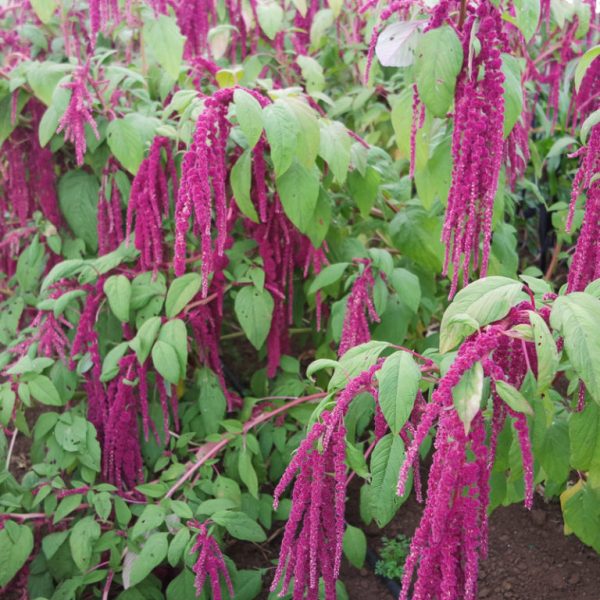
Love-Lies-Bleeding

Love Lies Bleeding Amaranth

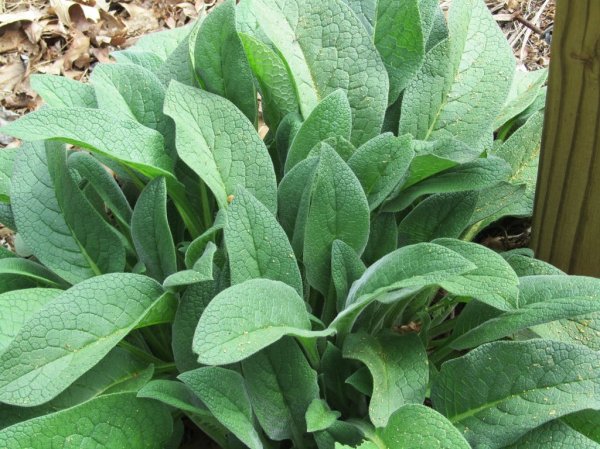
Comfrey

comfrey

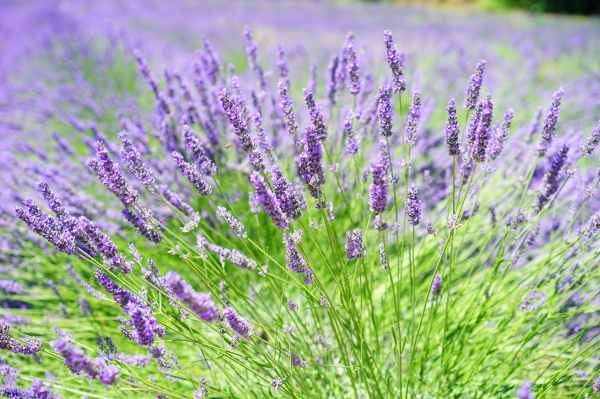
Lavender

close up photo of lavender growing on field

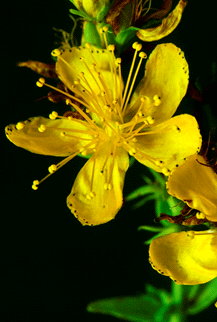
St. John’s Wort

st johns wort 2

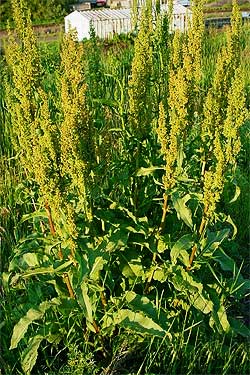
Dock

yellow dock

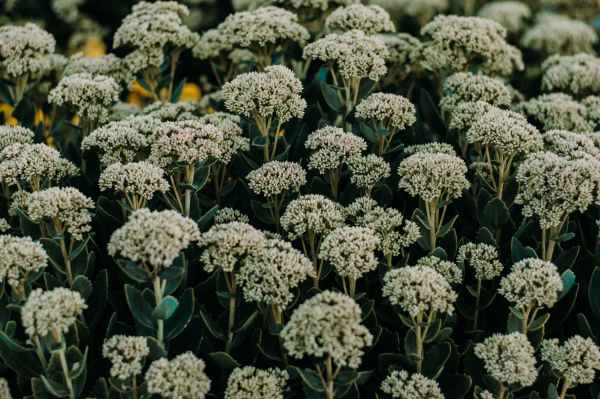
Yarrow

white cluster flowers in bloom

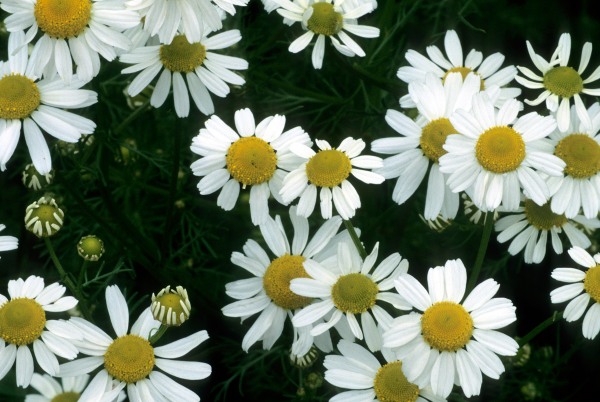
Chamomile

vampire's garden chamomile, aspasia s. bissas

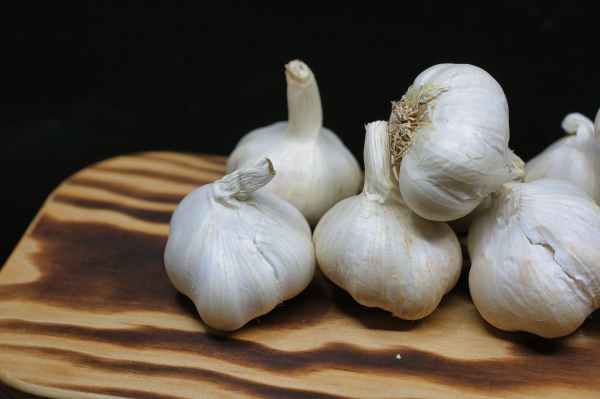
Garlic

Vampire's Garden: Garlic, blog post by Aspasia S. Bissas

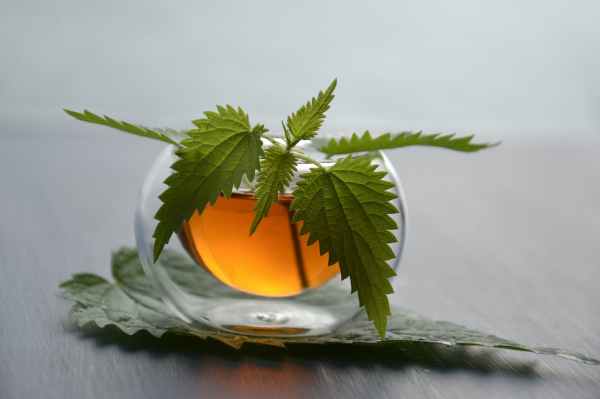
Nettle

Vampire's Garden: Nettles, blog post by Aspasia S. Bissas

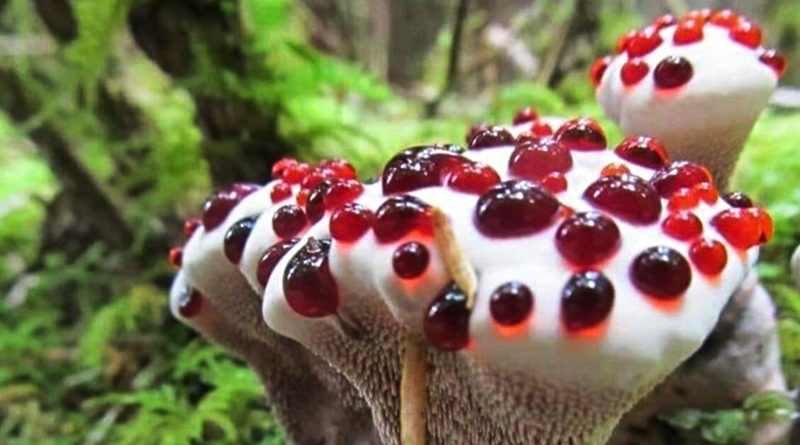
Bleeding Tooth Fungus

Vampire's Garden: Bleeding Tooth Fungus, blog post by Aspasia S. Bissas, bleeding fungus, devil's tooth, mushroom, mushrooms, bleeding mushroom, edible mushrooms, gross mushrooms, tripophobia, trypophobia, plants, botany, herbs, herbalism, vampire, vampires, aspasiasbissas.com

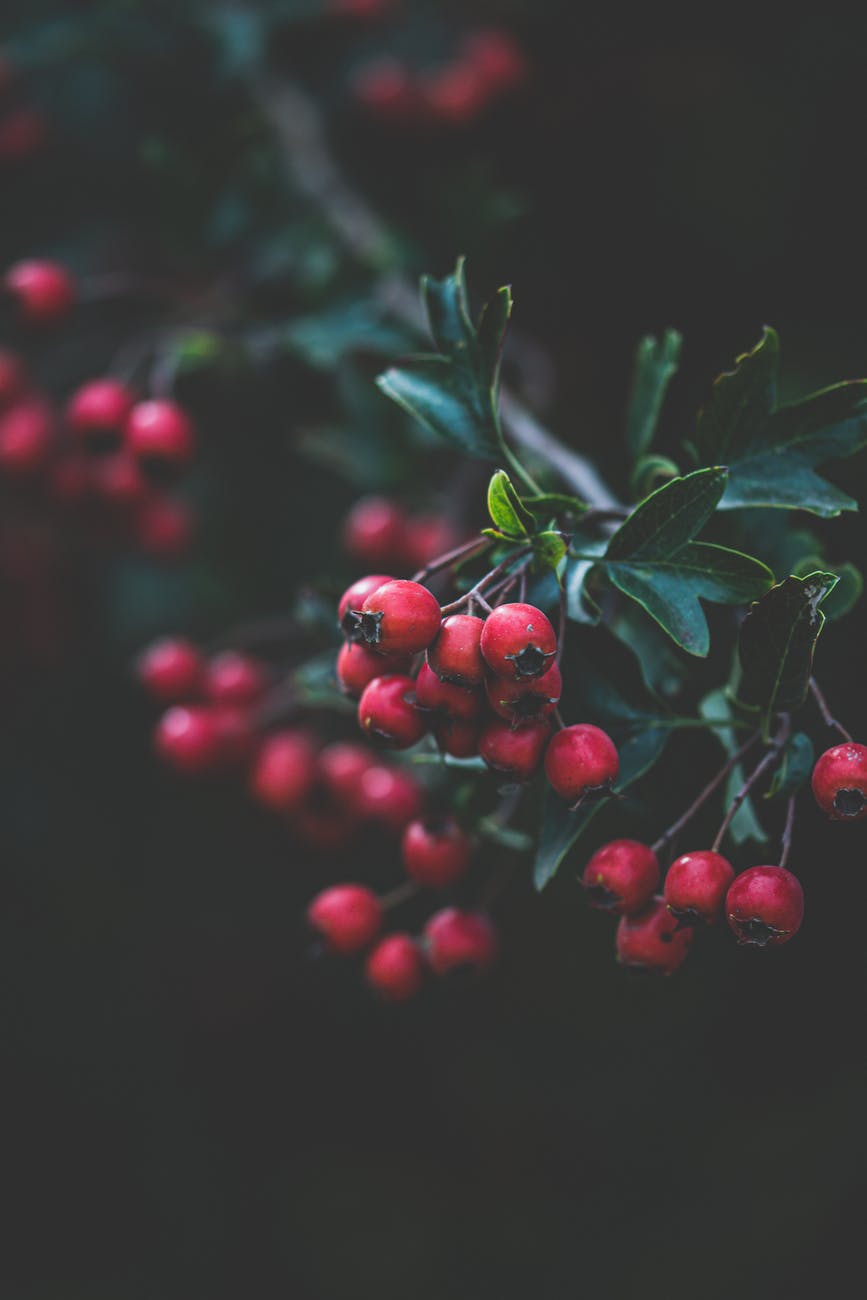
Hawthorn

Vampire's Garden: Hawthorn, post by Aspasia S. Bissas, aspasiasbissas.com

Bloody Dock

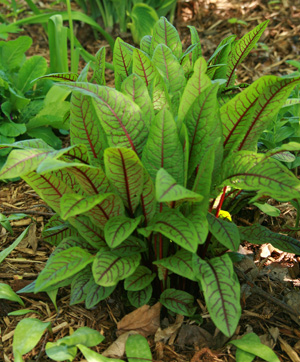
Bloody Dock, red-veined dock, bloody sorrel, red-veined sorrel, wood dock, Rumex sanguineus, Vampire's Garden, Aspasia S. Bissas, aspasiasbissas.com

Queen Anne’s Lace

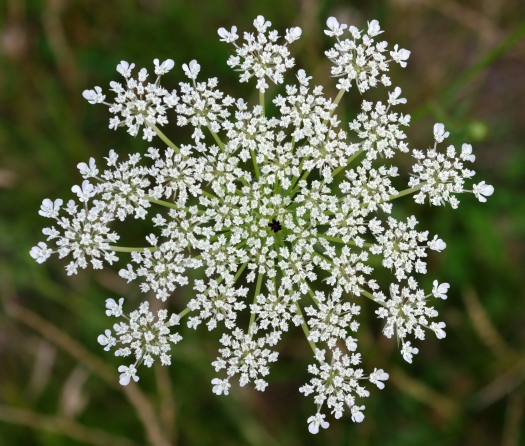
Vampire's Garden: Queen Anne's Lace, Daucus carota

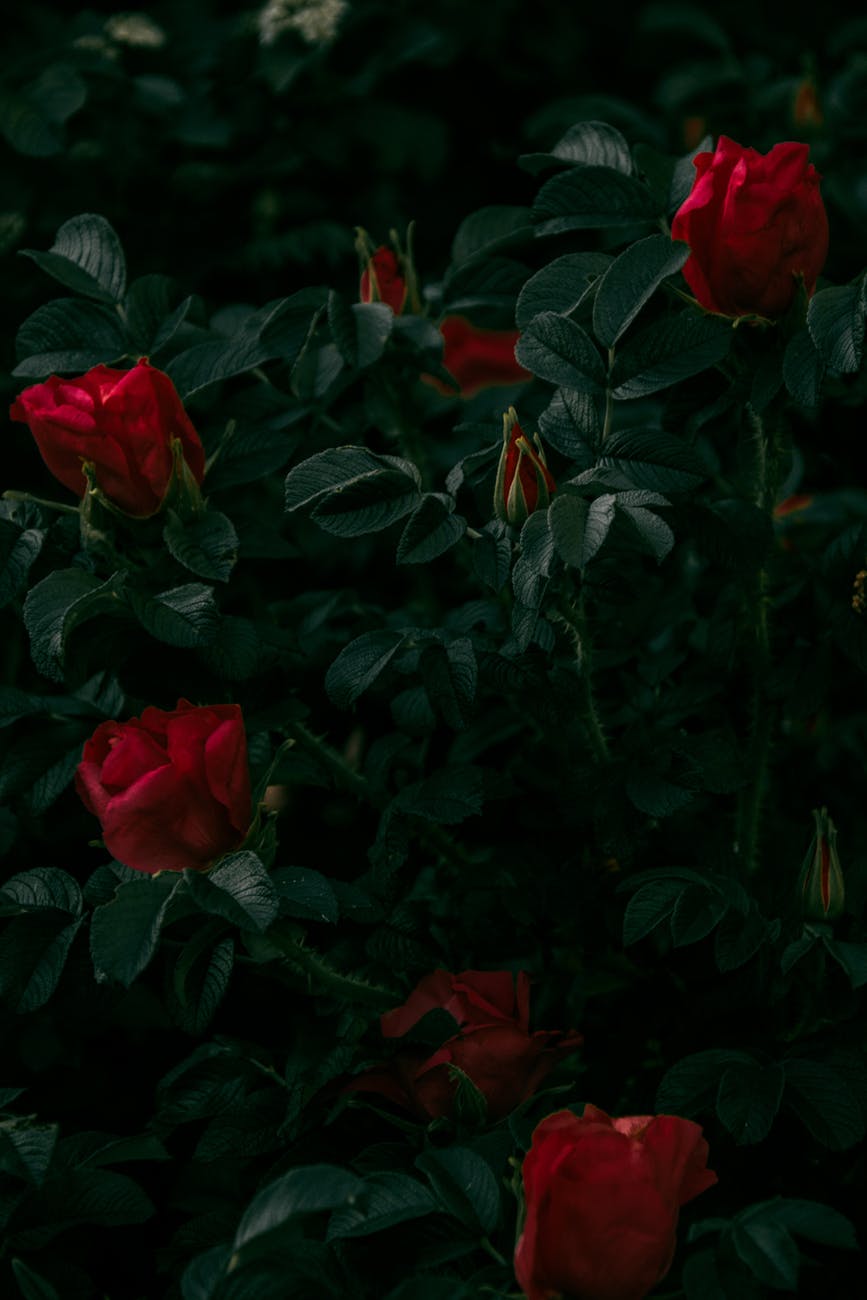
Bleeding Heart

Photo by Pixabay on Pexels.com

Yew

Photo by Julia Filirovska on Pexels.com

Dragon Blood Tree

Meadowsweet

Blood Flower

  
Photo by Stream on Pexels.com

Bleeding Fairy Helmet

By Alan Rockefeller – Own work, CC BY-SA 4.0, https://commons.wikimedia.org/w/index.php?curid=99546442


 Feel free to check out my books too!


Love Lies Bleeding

Bleeding Heart

*Blood Magic

*Tooth & Claw

(Links take you to all available stores. Books marked * are free everywhere other than Amazon. Love Lies Bleeding and Bleeding Heart are also available in paperback.)

Cheers,

Aspasia


26 October 2025

Autumn Beauty

Maple, just starting to change colour

 Who doesn't love being outside this time of year? The weather is usually beautiful, and the colours even more so. I've been going on plenty of walks lately, and always find something to snap a picture of...

Silky Dogwood
Purple Loosestrife: Beautiful, but invasive here.


Great Blue Heron

Sunrise
 
Chrysanthemums for sale


Queen Anne's Lace

Switchgrass

Just a dead branch with unidentified fungus
Round-leaved Bittersweet


Maple leaves


Red Osier Dogwood

What are your favourite things about autumn? Have you seen any interesting plants or animals lately? Share in the comments. Don't forget to get my books (links follow)!


Bleeding Heart

Love Lies Bleeding

*Blood Magic

*Tooth & Claw

(Links take you to all available stores. Books marked * are free everywhere other than Amazon. Love Lies Bleeding and Bleeding Heart are also available in paperback.)

 Cheers,

Aspasia

PS: Follow me on my official site: AspasiaSBissas.com

All photos by Whimsy Bower/Aspasia S. Bissas


08 March 2016

A Short History of Aspasia of Miletus


Those of you who've glanced at the "About Me" section to the right of this column have probably noticed my name is Aspasia. Yes, it is my real name ;) It came to me by way of my grandmother, who in turn was named after her grandmother. I would love to know how far down the line this tradition extended but, unfortunately, record keeping was pretty much nonexistent in Greece during centuries of Ottoman occupation. Sometimes, though, I wonder if the line of Aspasias in my family could possibly stretch all the way back to the first known Aspasia: Aspasia of Miletus.

Aspasia of Miletus was born in 470 BCE and died in 400 BCE. Although born in Miletus (in present-day Turkey), she found her way to Athens, where she made an impression. At a time when Athenian women led severely constricted lives, Aspasia was independent, outspoken, publicly active, and renowned for her intelligence (she influenced and impressed intellectuals and philosophers, including Plato and Socrates). At some point she caught the eye of Pericles of Athens ("...arguably the most prominent and influential Greek statesman, orator and general of Athens during the Golden Age...") and they fell in love. Unable (or unwilling) to marry, they chose to live together as partners.

Aspasia is commonly thought to have been a hetaera, which many people have wrongly interpreted as meaning a prostitute. In reality hetaerae were trained companions, more akin to the geishas of Japan. As an occupation, it would have appealed to a woman used to more independence and freedom than what was allowed in ancient Athens. My opinion on the matter, however, is that whether Aspasia was a hetaera or not, the term "whore" was, is, and unfortunately probably always will be applied to strong, outspoken women by people, cultures, and societies that don't approve of strength and outspokenness in women. Not always popular among her contemporaries in Athens, Aspasia was an easy target for such insults, as well as a number of unfounded allegations. At one point she was put on trial for impiety (she won). She was also accused of being responsible for the Samian War, the Peloponnesian War, and even for corrupting the women of Athens.

Unfortunately, it's difficult to be completely certain of the accuracy of what is known of Aspasia's life. But the fact that her memory has survived at all (particularly through millennia of patriarchal bias and the suppression of Hellenistic culture by the Greek Orthodox Church) is kind of amazing. In some cases, she's even been honoured: a species of orchid, a type of viola, and a butterfly have been named after her. On International Women's Day, Aspasia of Miletus is still a source of inspiration.

Aspasia lunata
Viola 'Aspasia'

 
Parantica aspasia
 
If you'd like to know how to pronounce "Aspasia" correctly, here you go (I had to wade through several incorrect videos before I found this one, which was incredibly frustrating):


To read more about Aspasia, check out these links:


[Edited to add pronunciation guide and to update links. Follow me on my official site: AspasiaSBissas.com]