Showing posts with label Green Design. Show all posts

08 November 2011

Home Sweet Plastic Bottle


One thing you have to admire about humans is our ingenuity. Put us in just about any environment and we will find a way to make use of whatever's around us. Of course, this also leads to less admirable results, such as environmental degradation and resource depletion. But I can't help but feel a little lift of optimism when I hear about projects like this--where something that is harming the environment can be put to good use.

Nigeria is a country with many problems, among them a dearth of housing and an excess of plastic water bottles. Enter a few ingenious people who figured out how to make houses out of empty bottles. Not only houses but houses that are bulletproof, fireproof, earthquake resistant, retain a constant (and comfortable) interior temperature, have a zero carbon footprint, and are relatively cheap to make. As the project expands so will local job opportunities, applications (this method can be used for other buildings like schools) and could become a model throughout Africa. At a time when it doesn't seem like humanity is doing so well we can all be enjoy a moment of optimism seeing that someone is getting it right.

Read more here.

[Edited to update link. Follow me on my main blog AspasiaSBissas.com]

16 August 2011

Not Your Average House

I used to love watching a show called Weird Homes (you can guess what it was about). Unfortunately I don't think it airs anymore in Canada. But it was so much fun to see how creative people could get with their homes.
 
I don't like weird for the sake of weird but I love fun locations, imaginative designs, unique features, creative materials, and--most of all--when spaces intended for one purpose are converted into homes (like the bank below). I'm particularly partial to the idea of converting an old church, but I've seen some fantastic renos of barns, schoolhouses, railroad cars, boats, lighthouses--even an old water tower. It really makes you look at buildings and their surroundings in a different way.

I find the idea of a home built into a hill cozy and appealing (and not just because they remind me of hobbits):


A little on the precarious side for me but they'll never have to worry about flooding!


On the other hand, if you're a fan of water...


Bank turned home. Apparently the vault is now a guest bedroom:


One way to recycle all those empty bottles:


This is actually an ancient cave house in Italy:


It looks like it simply grew out of the earth:


Bonus points for being creative and pretty:


Homes like this make sense in mountainous regions. They also seem like they'd be a lot of fun to live in!


Love the seashell design:


Underground houses somehow seem extra safe and cozy. And they're environmentally friendly too!


This one is just lovely and elegant:


If you have the money and space why not build yourself a castle (although I think I'd rather live in a real one for the inherent history)?


Another seashell, this one with a colourful stained glass window:


Right out of a nursery rhyme--how could you not love it?


Do not adjust your screens--this is really how this building looks:


Whoever came up with this is a mad genius:


And an interior shot to bring the post to a conclusion. I don't know how practical this is to live in but it definitely looks cozy:


[Edited to remove dead links and inaccurate info, and for formatting. Follow me on my official site: AspasiaSBissas.com]

03 May 2010

Keep Your Cool (without AC)

Every year as the weather starts getting warmer, the SO and I have the same debate: should we get air conditioning installed or not? We'd have to go with the ductless kind, as our house comes equipped with radiators, but that's not where the quandary lies. 

During the few hot and humid weeks of the year (not that they feel like few when you're suffering through them), there is nothing quite as wonderful as walking into a refrigerated building. But much as I don't like the heat, I'm also not a fan of the artificial cold. Even in the car (where I think AC is an absolute necessity), I have to set it to where it's only a step above warm, otherwise it's uncomfortable. 

But aside from personal preferences, air conditioning is a huge drain on power. It's so bad that our local power company is desperate to get people to sign up for a program where the company can remotely cut your AC when power demands are at their highest (this is to help prevent rolling blackouts). At a time when the world really needs to think about conservation and smart use, do we really want to install an energy hog? 

Luckily, there are ways to keep the house cool and comfortable (but not cold) without resorting to AC. Some of these we already have in place, some we're planning on trying out. Most of these came from Home Comforts (whose author claims her grandmother's house was always pleasantly cool in summer), and a couple are my own. 

If you have any tips of your own on keeping cool, please comment and share.  

Keeping Cool without AC 

*If you can, install exterior shutters, shades or awnings on your house to help block out the sun. Light colours reflect more heat. 

*Interior shades, blinds or draperies also help a lot. Anything that can block the sun will help (so if going for draperies, make sure you get an opaque, tightly woven fabric). Again, light colours reflect more heat. In fact, two layers (blinds/shades and draperies, or two sets of draperies) are best of all. They'll help keep the house warmer in winter too, by blocking out drafts. 

*Ventilation can help if the outside temperature is lower than the inside temperature. A good idea is to open windows to let cool air in at night and in early morning, and to close blinds and draw curtains during the sunniest, hottest part of the day. 

*Use appliances selectively. Don't use the oven on hot days (for some reason I always get the urge to bake on the hottest days of the summer. No idea why). Limit use of the stove, dishwasher, and clothes dryer (or use them at night), and close the doors of the rooms they're in when using them. Speaking of, TVs and computers can emit a surprising amount of heat; don't turn them on unless you really need them (another reason why summer is a great time to catch up on your reading). 

*Fluorescent lights produce far less heat than incandescent bulbs (in fact, some people have complained that after switching to fluorescents, they had to turn up the thermostat in winter because the lights were no longer providing extra heat). 

*I cannot emphasize enough the awesomeness of fans. I have tabletop and floor fans in every room (ceiling fans are also really good, but I find them unattractive). Not only will fans cool you and the house down using far less energy than AC, but they'll circulate the air and make your home generally more pleasant to live in. Even with AC, I'd keep the fans for this latter reason. 

*Dehumidifiers are great as too much humidity makes you feel hotter (not to mention icky). Dehumidifiers emit some heat, though, so we keep ours in the basement and turn it on at night. You'd be amazed how much water you collect. 

*Plant shade trees (e.g., elm, maple, oak, sycamore, ash)! They can lower temperatures around them by up to 9F. Deciduous trees are best, as they drop their leaves in winter and allow the sun back in to warm the place. Bushes and vines on trellises near the house also help. Trees should be planted on the northeast-southeast and northwest-southwest sides of your house. Don't plant too close to your house or you'll block breezes (and don't plant trees where their roots will get into water pipes). 

*Insulating your attic makes a huge difference, as apparently that's where most of the heat enters your house (an insulated attic also helps keep heat in during winter). Interestingly, venting your attic is also an excellent cooling measure. You should probably hire a pro for this, but if you're feeling handy make sure to place intake vents low and exhaust vents high. You might also want to make sure you install some kind of secure screening to prevent critters from getting in. 

*A light coloured exterior will help reflect heat away from your home, but if you're lucky enough to have an old house with original red/brown bricks, I strongly urge you not to paint or cover them. Those old bricks are gorgeous, and have a patina that can't be replicated. Painting them just looks bad. 

*You can buy reflective roof coatings to help lessen heat absorption. Home Comforts doesn't mention them, but I have to wonder about different types of roofing materials, as well. You might want to look into whether terracotta, ceramic, or aluminum shingles and tiles would help keep the house cooler, and also whether they're practical for you. 

*Make sure your bathrooms are vented. They help suck out humidity and maybe some heat as well. Anyone who's ever showered in the summer in an unvented bathroom (right here) can attest to the sauna-like effects once you step out of the enclosure. 

If the heat still gets to be too much (as it might, especially during a bad summer), I suggest cooling off with ice cream, cold watermelon, quick showers (or running under the sprinkler), and occasionally escaping to a beach, pool or public building (libraries, malls, community centres...) 

You should also keep a close eye on pets! Make sure they have plenty of cold water available and a shaded area to sleep (preferably inside). Dogs overheat more easily than cats, so watch them extra closely. And do not, ever, under any circumstances, no matter what, leave them in your car! Not even for a second while you run inside. (Same goes for kids, although I hate that it even needs to be said in either case.) Cars are ovens on sunny days. 

Image from http://www.freeimages.co.uk/

[Edited for formatting and to update link. Follow me on my official site: AspasiaSBissas.com]

13 February 2009

It ain't so hard, either...*

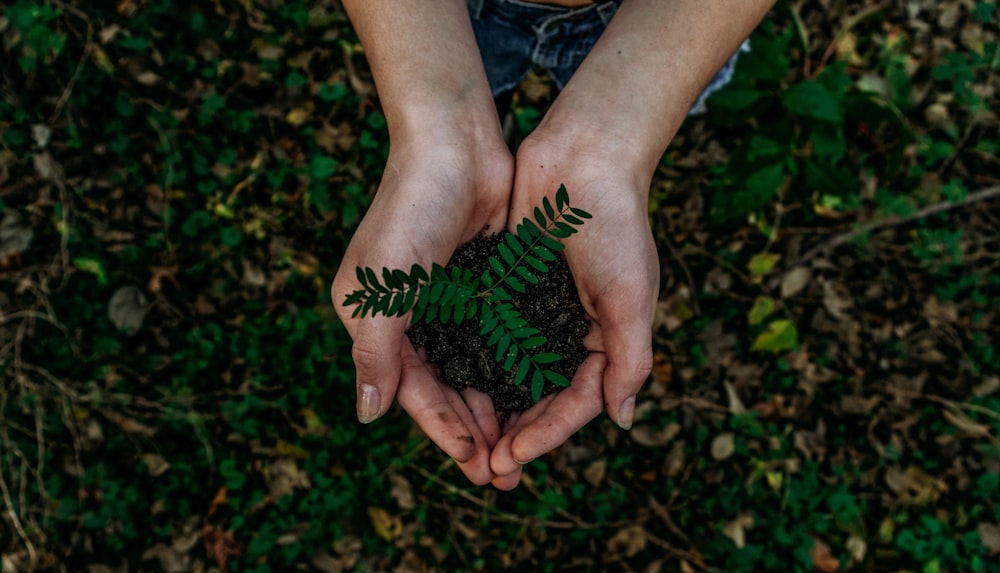
 green plant

You can't open a decor magazine or the homes section of the newspaper lately without seeing something on green design. It's come a long way from the days when environmentalism seemed to be the exclusive domain of back-to-the-land types (yet who somehow all seemed to think energy efficiency meant heating their homes with wood). 

Or has it? 

The more I read about these so-called eco-friendly homes, the more I have to wonder just how green they are. Many of the buildings lauded for their green design are new construction. It's fine to include masses of recycled or natural materials, or to have ultra-efficient appliances and workings, but too many questions are raised in my mind. What was on the land before? Did another building get torn down and trashed, or was the land previously green space or farmland? 

Recycled materials still require industrial processes to produce--how green are they, really? What are the environmental impacts of shipping, say, bamboo and sisal from point A to point B? New houses all seem to be huge (with lots of wasted space, like two-story high "great" rooms)--even with efficient heaters and air conditioning, how much energy do they end up using to make them comfortable? 

And darn it--why are so many of these houses covered top to bottom, inside and out, in wood? Yes, wood is a renewable resource...to a point. I keep picturing entire forests being devastated just so some self-proclaimed environmentalists can have cedar shingles and knotty pine encapsulating their houses. 

The so-called green renovations being featured aren't much better. How is going into a perfectly good house, gutting it, and creating an entirely new (albeit largely recycled/natural) interior environmentally friendly? I can't help but feel that people who buy a house merely to gut it and re-create it according to their own whims or passing fads not only have no interest in actual green design, but lack respect for the house itself. 

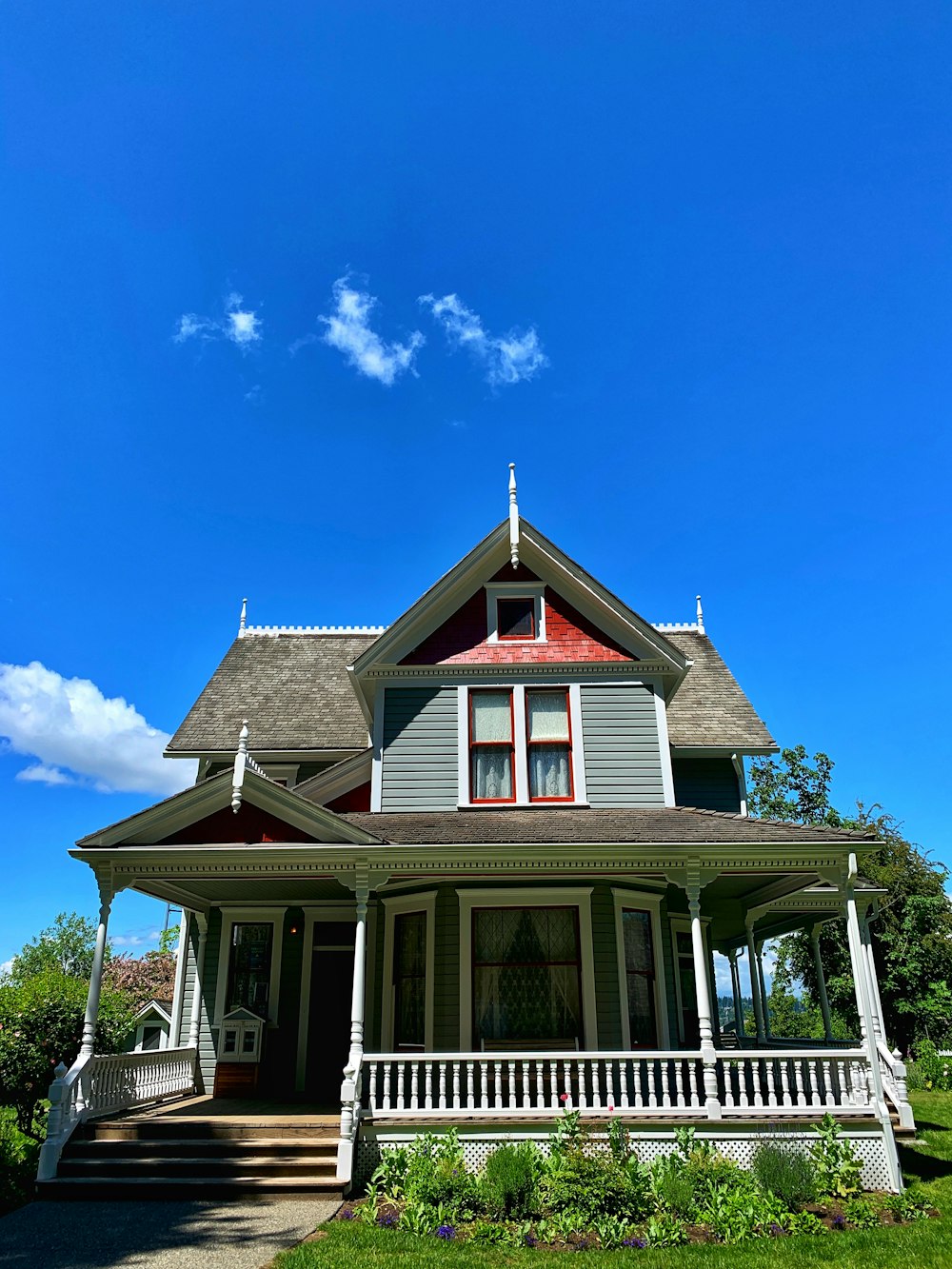
What isn't mentioned by green design mavens, however, is old (I'm thinking mainly pre-WWII) houses. It's true these houses precede the green revolution, but that doesn't mean their builders didn't take environmental concerns into account (whether knowingly or otherwise). Old houses are solidly built with quality (usually, if not always, local) materials. I also happen to think they're beautiful, and despise unsympathetic renovations...but that's another post. Granted, a house that old will probably need repairs and/or updating, but what goes into that is still far less than a gut-job reno or building from scratch. 

Retrofitting is also a good solution, as old heaters can be replaced with energy efficient ones and old windows can be replaced (if absolutely necessary) with new. In the case of our house, the original leaded windows have been preserved, with new energy efficient windows installed on the outside. You don't even notice the new windows, but drafts and noise have been minimized. Refinishing existing hardwood floors, for example, is also environmentally superior to cutting down trees, processing them, and shipping in order to create new hardwood floors. 

white and brown wooden house under blue sky during daytime

Old houses also tend to be more modest in size. I admit, as a collector, I sometimes find smaller homes limiting. But realistically, we're making good use of the space we have (actually using all the rooms!) and, as long as I keep my packrat tendencies under control, it'll be a while before we outgrow it. I'm stunned when I see some new homes. Does anyone really need (or want) a bathroom larger than most bedrooms? Think of all the cleaning! Or how about kitchens big enough to host a Greek wedding reception? Yes, they look beautiful, but I can only imagine they would be exhausting to work in (and there's the cleaning issue again). Larger houses consume more materials to build, use more energy to run, and--let's face it--will collect more stuff no matter how hard you try to avoid it. It's inevitable that an empty space will eventually be filled--and who's going to want to clear out their closet when it's the size of an island nation? When we moved into our current house, 

I was concerned that the south-facing rooms would get too hot in summer. What didn't occur to me was that people in the past, faced with the same hot summers and no air conditioning, had taken climate control into account. The numerous deciduous trees planted in front of the house do a great job of shading the rooms in summer. Yet once their leaves have dropped in winter, sunshine streams in and warms the place. This could be the easiest (and most attractive) passive solar heating system ever. In the north-facing backyard, trees have been placed in such a way as to not block light, and hedges have been planted as wind-breaks. I think it's time we collectively give props to our forefathers--when it came to building and being intuitively green, they knew what they were doing! 

*With apologies to Mr. Kermit the Frog...

(Edited for clarity and to add photos. Follow me on my official blog: AspasiaSBissas.com)