Showing posts with label Gardening. Show all posts

11 May 2026

Dandelion Flower Syrup (Recipe)


No matter how you feel about dandelions (I'm a fan myself), there's no denying they're delicious. Most of you probably know about the leaves, which are excellent both raw and cooked. But you might not realize that the flowers are also edible (and delightful). I wrote about making dandelion flower syrup years ago, but looking over that post again, I realized it needs work. Hopefully this time I'll explain things better, because this is a recipe everyone should try (unless you're allergic to dandelions or plants in the aster family).
 

Dandelion Flower Syrup 

fresh-picked dandelion flowers 

water 

granulated or superfine sugar 

(Approximate amounts are given below. You can adjust recipe, as long as you keep a 1:1 ratio of sugar to water.)

Pick dandelion flowers, making sure not to get them from roadsides or areas that have been sprayed with pesticides. A medium bowl of flowers will yield about 2 cups (473 mL) syrup. If you want to pick more flowers, have some help for the next part-- it's labour intensive! Once picked, you might want to spread the flowers on paper or a towel (in the shade) for about 15 minutes to give any insects a chance to leave (although I've never encountered many on the flowers I've picked).

Next, you'll need to separate the petals from any leafy bits. Twisting the bulbous part of the stem at the base of the flowers helps detach the petals; after that, pick out any leaves. Leaves will make your syrup bitter, so make sure to remove all of them. Warning: your fingers and nails will get stained, but it should wash off (the nail staining might last a day or two).

A medium bowl of flowers yields a small bowl of petals, somewhat densely packed (about 1 to 1 1/4 cups or 250 to 300 mL). At this point, if you want, you can put the petals in the fridge for 1 to 3 days before proceeding with the syrup.

When you're ready to make the syrup, rinse the petals, then place half in a med-small pot (you don't want a pot that's too large, but you do want to leave room for the syrup to boil and expand). Cover the flowers in about 2 cups (473 mL) of water, and bring to a simmer, covered. Simmer for 7 to 10 minutes. Use a sieve to strain petals from the liquid, and return liquid to the pot. Press drained petals with the back of a spoon to squeeze out any remaining liquid, then discard them. Repeat process with the other half of the petals, putting them back in the reserved liquid. 

Once the petals have all been removed from the liquid, add sugar. Boil uncovered on low heat until you get a syrupy consistency, 15 to 20 minutes after the sugar has dissolved. Watch carefully to prevent burning.

After the syrup has been removed from heat, allow to cool. If the syrup is too thin after it cools, you can boil it again (uncovered) for another 10 minutes, or until it thickens (you may also need to add a bit more sugar). Once you have the desired consistency, pour into sterilized jars or bottles. Keep refrigerated or in the freezer (freezing helps prevent crystallization).

Syrup tastes like honey. Use over fruit, pancakes, waffles, cereal, oatmeal, ice cream, desserts, in tea, and anywhere else you'd like.

Makes about 2 cups (473 mL)

Petals, leaves removed

Petals, covered in water in a pot

The liquid after boiling the petals. The cloudiness disappears once it's boiled with sugar.

 
The syrup beginning to boil. The foam around the edges was gone by the time my syrup was done, but if any remains, you can skim it off and discard it.
 
 
As syrup boils, it expands. Watch carefully so it doesn't boil over!


Finished syrup is a deep, clear colour. Tip: spraying nonstick cooking spray, or coating the inside of your measuring cup with oil helps sticky liquids like honey and syrup pour out easily.

When syrup is ready, the top will look "thick" like honey, instead of watery. It will thicken more as it cools.


Have you ever cooked with dandelions? Do you have any questions about making this syrup? Share in the comments...

If you want to read about a vampire that gets creative with herbs, check out my books!


Bleeding Heart

Love Lies Bleeding

Blood Magic

Tooth & Claw

(Links take you to all available stores. Love Lies Bleeding and Bleeding Heart are also available in paperback.)


Cheers,

Aspasia

PS: Follow me on my official site: AspasiaSBissas.com

All photos by Whimsy Bower/Aspasia S. Bissas


30 March 2026

Hibiscus vs. Aphids

Photo is of a red hibiscus flower next to a white and pink cactus flower.

This is my first hibiscus flower in a while (the red one; the white flower is from a Christmas/Thanksgiving/Holiday cactus that decided to flower in March). I was incredibly excited to see a bud-- until I noticed it was covered in aphids.

Image is a close up of a hibiscus flower bud covered in green aphids.
Photo via https://plantura.garden/uk/trees-shrubs/hibiscus/hibiscus-overview

Disgusting, right?

Luckily there was some insecticidal soap on hand, and a few sprays seemed to take care of them, allowing the flower to open. But they could still be in there, dormant, waiting...

I'm going to have to stay vigilant.

Tips on Dealing with Aphids on Houseplants

  • Aphids can weaken plants, stunt their growth, or even kill plants. They also reproduce quickly. Take steps to deal with them as soon as you spot them.
  • Aphids can be green, black, or white, and are easy to see with the naked eye.
  • On hibiscus, aphids will congregate on flower buds, or at the tops of stems, to feed on sap. They excrete a sticky substance called "honeydew" that falls on the leaves underneath and causes something called sooty black mold. Sticky leaves and sooty mold are other signs that you have an aphid problem.
Image is of hibiscus leaves covered in black patches of sooty black mold.
Photo via https://gardeninggroot.com/black-spots-on-hibiscus-leaves/


  • You can control an aphid infestation a few ways: pick insects off by hand and drop in a bowl of soapy water; knock the insects off the plant with a blast of water (then collect and kill them); use insecticidal soap or another pesticide designed for aphids.


Make Your Own Insecticidal Soap

1 Tbs (15 mL) Castile soap 
2 cups (500 mL) water

Mix and pour into a clean spray bottle.

Spray plant thoroughly, including the underside of leaves. Keep applying every few days or weekly until all the insects are gone.

If you're unlucky enough to have aphids or another insect infestation on your plants, you have my sympathy. I wish you much luck getting rid of them.

Aphids are like the vampires of the insect world, sucking the lifeblood (sap) of the plant. Distract yourself by reading about actual vampires (they're a lot more fun and far less gross)-- check out my books (links follow)!

Do you have any other tips for dealing with aphids? Share in the comments...


My Books


Book covers: Love Lies Bleeding, Blood Magic, Tooth & Claw, Bleeding Heart. Books by Aspasia S. Bissas, aspasiasbissas.com. Dark fantasy, gothic, paranormal, urban fantasy, vampires, shifters

Love Lies Bleeding

Bleeding Heart

*Blood Magic

*Tooth & Claw

(Links take you to all available stores. Love Lies Bleeding and Bleeding Heart are also available in paperback.)


Cheers,

Aspasia

PS: Follow me on my official site: AspasiaSBissas.com

All photos by Whimsy Bower/Aspasia S. Bissas unless otherwise noted.


26 January 2026

Vampire's Garden


For anyone interested in herbs and plants (growing, using, history), I've got an ongoing series over at my main site

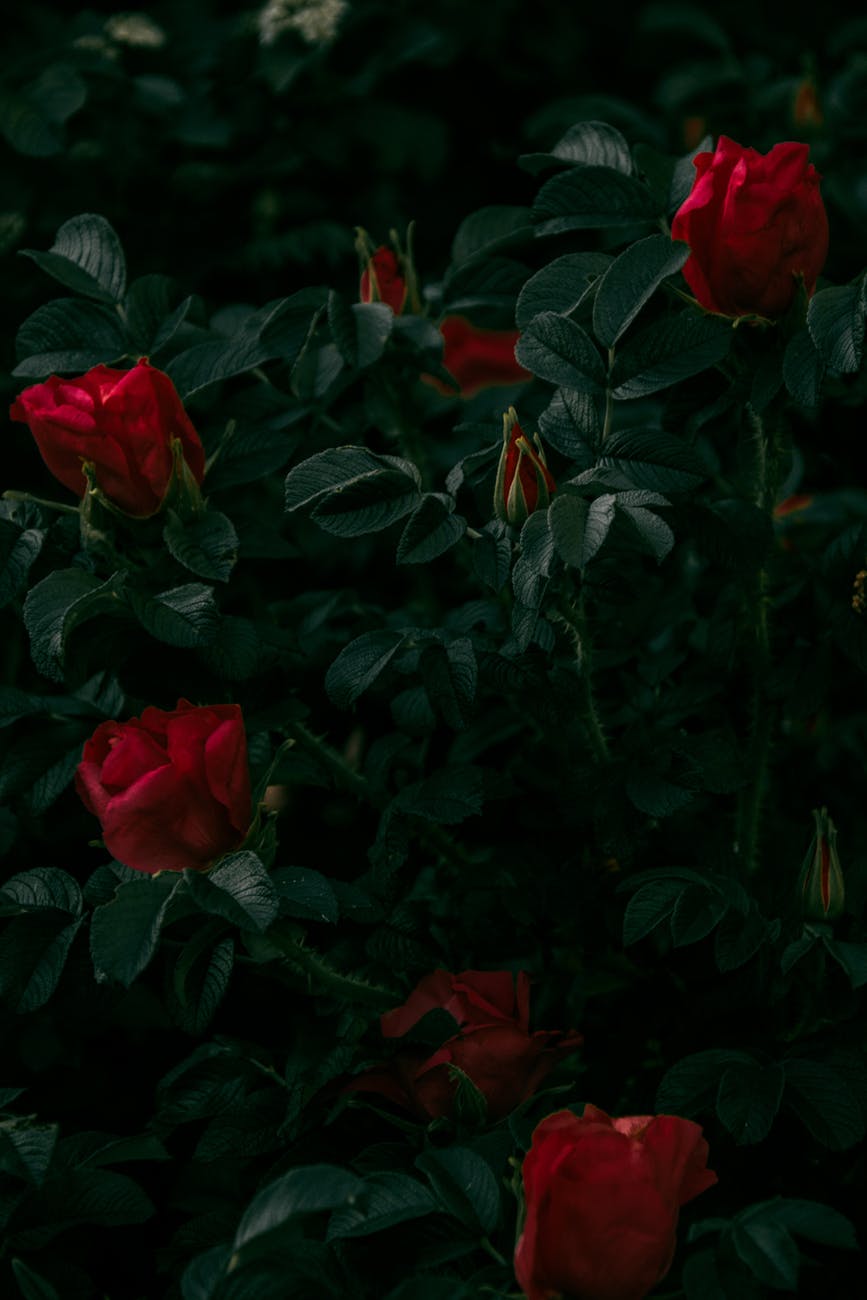
I started writing these posts because the main character of my novel Love Lies Bleeding (Amarantha AKA Mara) is a vampire that has a garden and an apothecary business. Some of you might have also noticed that the titles of my novels are also the names of plants :) Here's the full list (so far) of articles- enjoy!

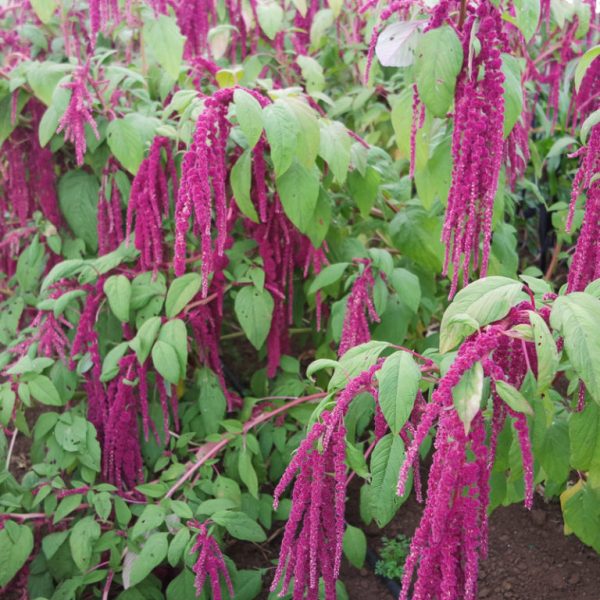
Love-Lies-Bleeding

Love Lies Bleeding Amaranth

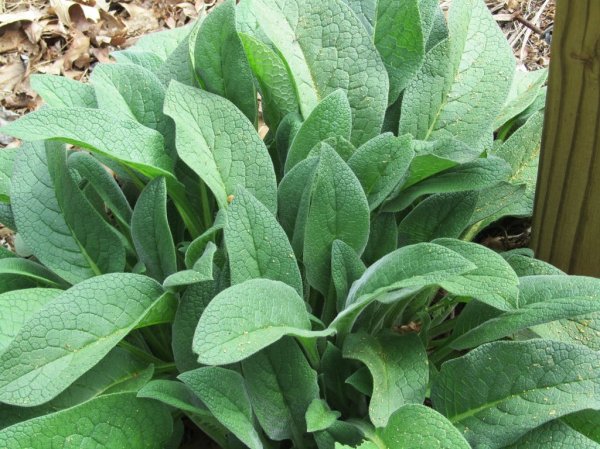
Comfrey

comfrey

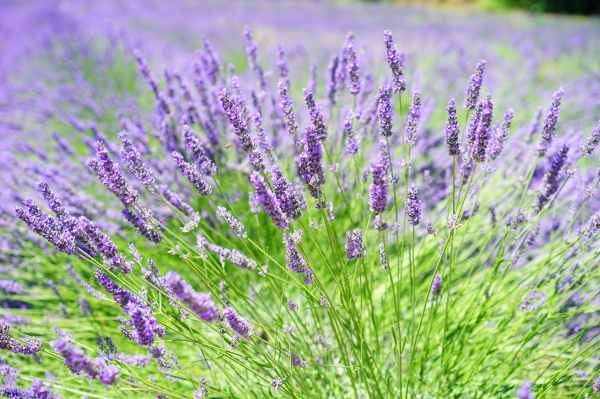
Lavender

close up photo of lavender growing on field

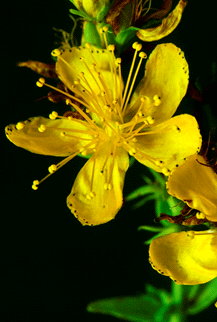
St. John’s Wort

st johns wort 2

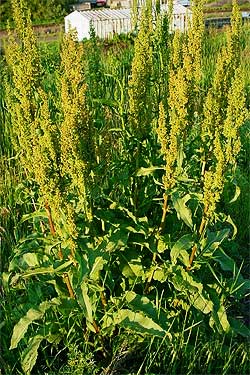
Dock

yellow dock

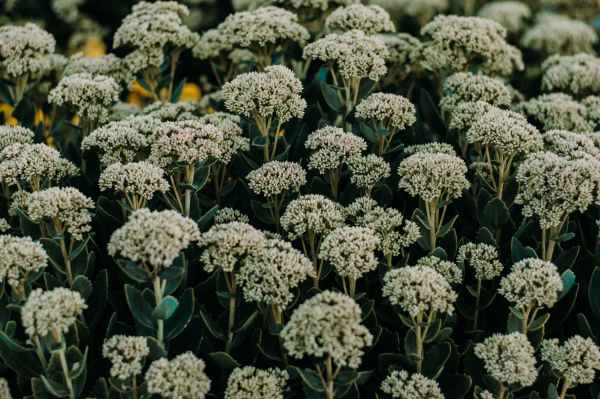
Yarrow

white cluster flowers in bloom

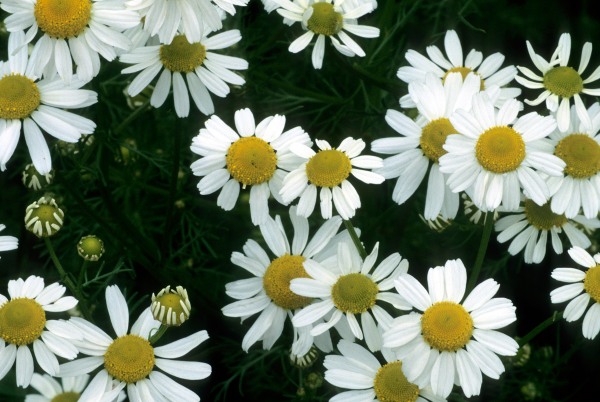
Chamomile

vampire's garden chamomile, aspasia s. bissas

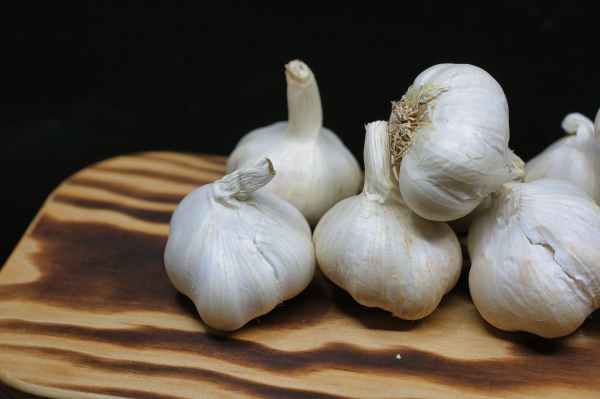
Garlic

Vampire's Garden: Garlic, blog post by Aspasia S. Bissas

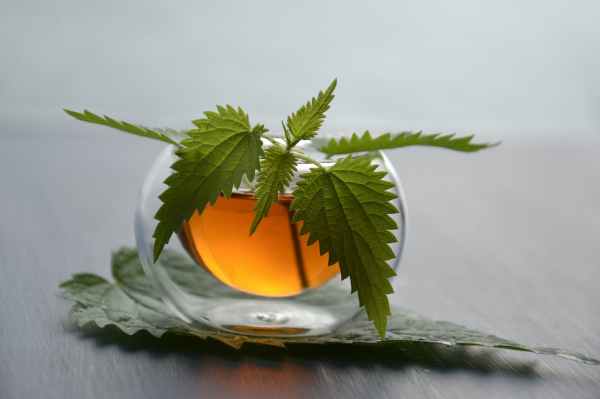
Nettle

Vampire's Garden: Nettles, blog post by Aspasia S. Bissas

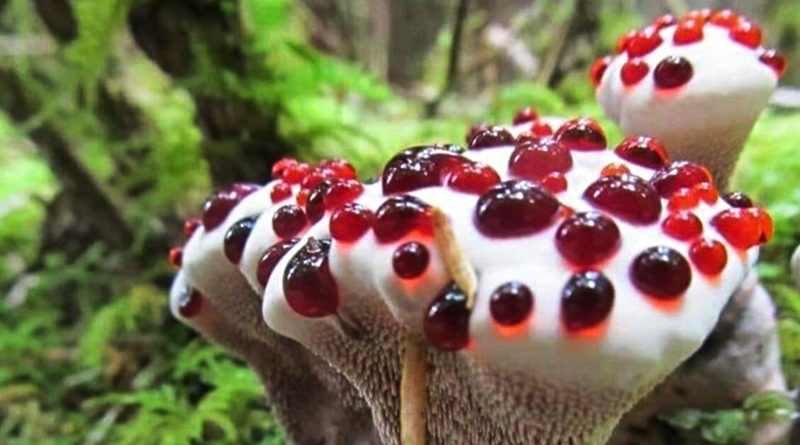
Bleeding Tooth Fungus

Vampire's Garden: Bleeding Tooth Fungus, blog post by Aspasia S. Bissas, bleeding fungus, devil's tooth, mushroom, mushrooms, bleeding mushroom, edible mushrooms, gross mushrooms, tripophobia, trypophobia, plants, botany, herbs, herbalism, vampire, vampires, aspasiasbissas.com

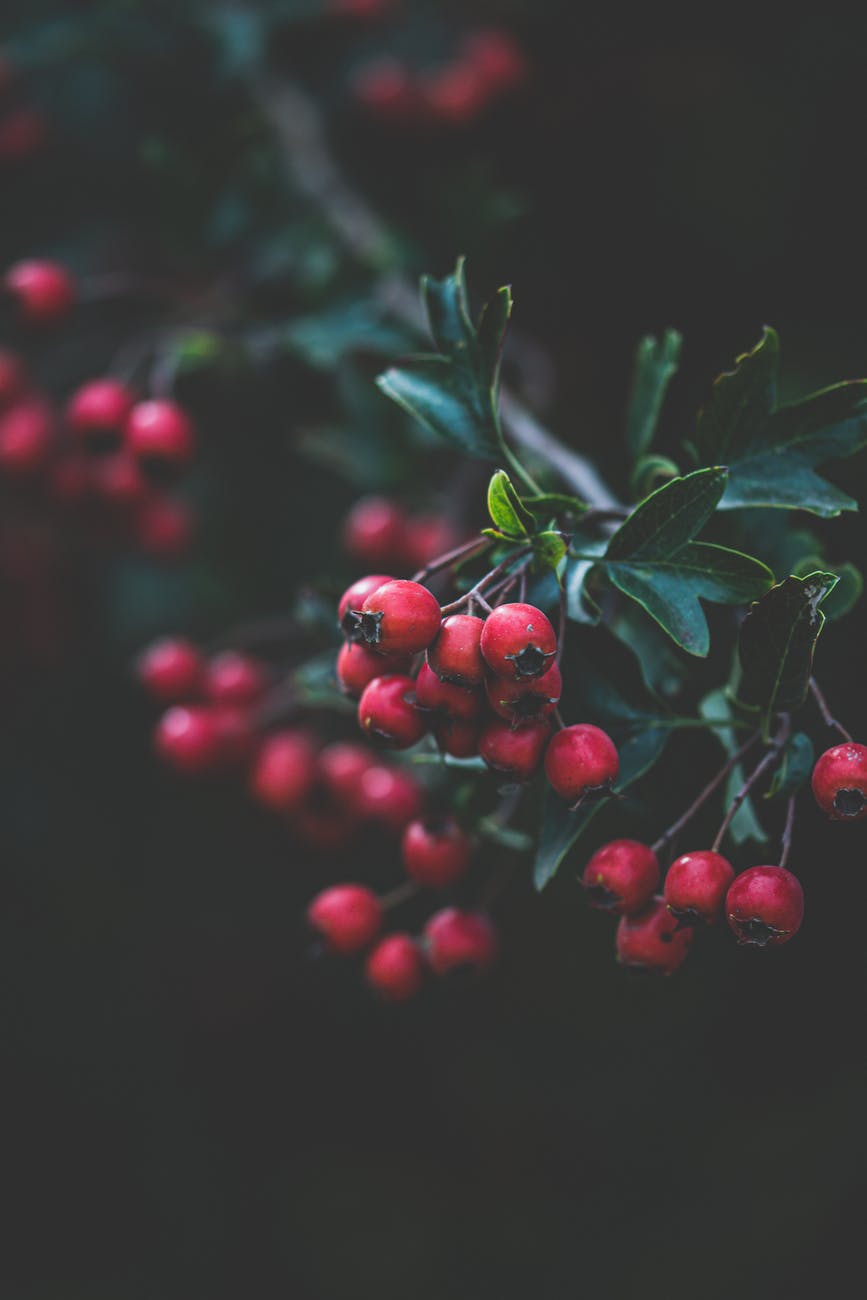
Hawthorn

Vampire's Garden: Hawthorn, post by Aspasia S. Bissas, aspasiasbissas.com

Bloody Dock

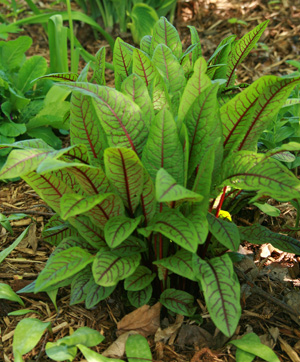
Bloody Dock, red-veined dock, bloody sorrel, red-veined sorrel, wood dock, Rumex sanguineus, Vampire's Garden, Aspasia S. Bissas, aspasiasbissas.com

Queen Anne’s Lace

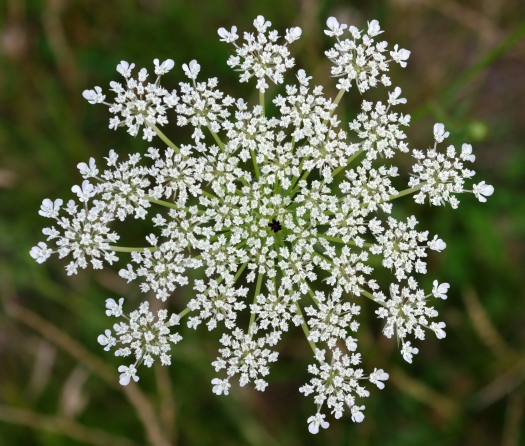
Vampire's Garden: Queen Anne's Lace, Daucus carota

Bleeding Heart

Photo by Pixabay on Pexels.com

Yew

Photo by Julia Filirovska on Pexels.com

Dragon Blood Tree

Meadowsweet

Blood Flower

  
Photo by Stream on Pexels.com

Bleeding Fairy Helmet

By Alan Rockefeller – Own work, CC BY-SA 4.0, https://commons.wikimedia.org/w/index.php?curid=99546442


 Feel free to check out my books too!


Love Lies Bleeding

Bleeding Heart

*Blood Magic

*Tooth & Claw

(Links take you to all available stores. Books marked * are free everywhere other than Amazon. Love Lies Bleeding and Bleeding Heart are also available in paperback.)

Cheers,

Aspasia


09 March 2015

Review: Grow All You Can Eat in 3 Square Feet


Anyone paying attention these days has probably noticed a trend toward small. For example, tiny homes are huge (so to speak) right now. People everywhere are making the most of campers, shipping containers, tiny apartments. Before long we'll probably start seeing phone booth conversions (and not the kind that are bigger on the inside). It's as though an unspoken dare was issued to see how little space human beings can comfortably inhabit. I'm not a tiny home kind of person, but it does make a lot of sense to live in more compact quarters: the environmental footprint is less; it's easier to maintain and clean a small home; and they cost way less (both to build and to heat/cool). And, as the population continues to rise on this finite planet, smaller homes become more of a necessity as there's less and less space for spreading out.

It's not just indoor living space that's affected, either. The more people, the scarcer land becomes and the more expensive. Anyone living in a city already knows this too well. Yards are increasingly becoming luxuries, never mind acreage. Many people have little more than a balcony or a patch of earth outside their door. Even in suburbia, the large homes being built on shrinking lots leave little room for aspiring gardeners.

What does it matter if people no longer have space for gardens? Well, besides the fact that a garden will get you out of the house for fresh air, exercise, and a much-needed connection to nature, growing your own food is kind of awesome. At a time when supermarket produce is both pricey and poor in quality (am I the only one depressed that supermarket tomatoes taste like cardboard even when they're in season?), growing your own gives you a chance to eat well. Really well. Even if you're lucky enough to have access to great farmers' markets and CSAs (which you should absolutely take advantage of), nothing matches home-grown for quality, freshness, and flavour. Garden produce is as local as you can get, and is easy to grow organically--without organic-food prices (and you won't need to question whether you can trust the organic certification). On top of all that, growing your own food is crazy satisfying. All these reasons are why Grow All You Can Eat in 3 Square Feet is a great book to have on hand.

As soon as I picked it up, I saw the potential in this book. There are so many useful projects for small-space gardening--and they're actually doable for someone like me (heavy into crafts, not so much with DIY). I loved that so many of them used recycled and repurposed materials (good for the environment and helps lower the cost of what isn't always the most frugal endeavour). Must-do (for me, anyway) projects include the Strawberry Colander, Cucumber Trellis, Bicycle Wheel Trellis, and Blueberry in a Pot. The Nine Pot Plot and Raised Beds are also serious contenders. Not that every project is a winner: The Corn Oil Drum is good in theory but (a) full sun is hard to come by in urban areas; (b) how much corn will you really be able to harvest from a few stalks; and (c) you'll be lucky to get any corn at all before the local squirrels and raccoons do (unlike us, they don't feel the need to wait until a crop is ripe before they help themselves). It also would have been really nice if the book had included hints on where one can find an oil drum. Luckily, the good projects far outweigh the bad (and if you can actually get your hands on an oil drum, it seems like a great container option, although maybe for something other than corn).

The projects aren't the only selling feature of Grow All You Can Eat in 3 Square Feet. There's a lot of solid information here on how to grow, care for, and propagate edibles (general advice, as well as plant-specific). The book might be geared more toward the beginner gardener, but I think there's still plenty here for experienced gardeners too (I've found that there's always more to learn). I especially like the plant lists, such as "15 top shade-tolerant crops," "15 top quick-growing crops," and "15 top shallow-rooted crops." There's also info on soil, water, light, raised beds, themed beds, beneficial insects, and companion planting.

I love that the book features seasonal information. So many gardening books seem to skip from spring planting to autumn harvesting, with little more than a mention of ongoing progress, succession planting, or what you can do when early crops are finished. Grow All You Can Eat in 3 Square Feet tells you what you can grow and harvest in different seasons, and what to plant when another crop is done--good to know when you're trying to maximize the amount of food you can get out of a small area.

There's a useful, albeit limited, section at the back on common diseases, weeds, and pests. Instead of mentioning dogs, cats, and foxes in the pest section (none of which I've ever found to be problematic), I might have devoted the space to raccoons and squirrels instead. At least cats and foxes won't eat everything in sight and dig up your containers just for the hell of it (I'm looking at you, squirrels). Meanwhile, dandelion and stinging nettle are listed under weeds, where maybe they should have been listed with the other edibles (with limited growing space, should anyone really be casting aspersions on healthy, tasty volunteers?) The book ends with a resources list, which probably won't be of much use to anyone outside the US, but is still handy.

Overall this book is a great resource. If you're new to gardening in general or small-space gardening in particular, you should definitely check out Grow All You Can Eat in 3 Square Feet. And if you know where to find oil drums, drop me a line.

Grow All You Can Eat in 3 Square Feet by DK is available as a paperback or in ebook form. 

[Edited to add link. Follow me on my official site: AspasiaSBissas.com]

13 April 2014

Review: The Kitchen Garden Cookbook (+ Green Beans with Toasted Hazelnuts Recipe)


I'm a fan of cookbooks. I enjoy reading them, drooling (figuratively) over the illustrations and photographs, trying out the recipes, and basking in all the potential they offer. My interest in cookbooks has led to a nice collection of two hundred-ish books (and a somewhat ridiculous collection of loose recipes gleaned from newspapers, magazines, and the internet). Some might be satisfied with that number but I'm always on the lookout for interesting and creative additions to my collection. The Kitchen Garden Cookbook has turned out to be a great one.

On the practical side, the book is well designed and organized. Conveniently divided by season, each section offers recipes featuring the fruit, veggies, and herbs that are ripe during that particular season. This works well if you're a gardener with a glut of produce (and what gardener isn't?) or just want to eat store-bought food when it's at its peak. Although the food at the grocery store will never be as good as homegrown, even the big box stores will have tastier tomatoes in August.

As each new food is introduced in the book, a sidebar is included with info on picking, storing fresh, preserving and freezing that food. Even better, there are special features throughout on various methods of preserving and storing your bounty, from preserving vegetables in oil, to making pickles and relish, bottling fruit in alcohol, making jelly and conserves, and storing root crops in boxes. This info is invaluable, especially if you grow your own; being able to save part of your harvest for later is nearly always a necessity, and there are some ideas here I haven't seen elsewhere. Big thumbs up.

There are also tons of tempting recipes (most with pictures) in The Kitchen Garden Cookbook. A few I can't wait to try include: (Spring) Braised Cauliflower with Chiles and Cilantro, Swiss Chard Cheese Tart, Rhubarb and Custard Ice Cream; (Summer) Warm Tomato and Garlic Vinaigrette, Papas Arrugadas ("wrinkly potatoes"), Basil and Vanilla Custard, Fresh Mint Cordial; (Autumn) Butternut Squash Tagine, Pumpkin and Orange Spiced Jam, Portuguese Apple Fritters; and (Winter) Spicy Spaghetti with Broccoli, Wasabi Beef with Bok Choy, and Jerusalem Artichoke Soup with Saffron and Thyme.

I did get to try three of the recipes from the book. Confession: the recipes I made were all out of season. Unfortunately, we're still staying at the insurance-provided condo while our house remains in unlivable condition, so our pantry is severely limited right now. That, coupled with a choosy (some might say picky) co-eater meant having to stick with recipes approved by him, which also required minimal ingredients and equipment. I managed to find three.

The first recipe I tried--Baked Ricotta with Roasted Tomatoes (Summer)--was disappointing. Not to get all Food Network on you (although I have been watching way too much of it lately) but this dish seemed one-note to me. I think some fresh basil would have made all the difference (I'd also skip the roasted red pepper and put in more tomatoes). Luckily, I had better luck with the next two recipes.

I really enjoyed the Leek and Potato Soup (Winter). It was easy to make, healthy, and tasty. I liked the technique of mashing the potatoes and adding them back to the broth, which resulted in a nice texture that was neither too chunky nor too smooth. I also appreciated that it's served warm (much preferable, imo, to the cold versions out there).

The final recipe I tried was our favourite: Green Beans with Toasted Hazelnuts (Summer). Another easy, healthy, and tasty one. If you don't like hazelnuts you can substitute almonds or pecans. In any case it's one you should try:

Green Beans with Toasted Hazelnuts

8 oz (250 g) green beans, trimmed
sea salt
2 tbs butter, cut into bits
1/2 cup hazelnuts, toasted, skinned and coarsely chopped [We didn't skin ours and they were just fine]

1. Put the beans in a pot of salted water and boil [or steam over the water] for 5-6 minutes, or until they are cooked but still have a bit of bite to them. Drain and then refresh under cold water so that they stop cooking and retain their color.

2. Transfer to a serving dish and top with the butter and toasted hazelnuts.

[If you want to go to slightly more effort, you could stop boiling/steaming the beans a couple of minutes early and transfer to a frying pan over med-high heat with the butter and chopped nuts. Cook, stirring, for about 2 minutes. This results in the beans getting nicely coated in the nuts.]

The recipe recommends serving this dish with lamb or chicken. We had it with chicken, but I think it would work well with any protein.

Want your own copy of The Kitchen Garden Cookbook? Lucky you--it's on sale now (along with lots  of other awesome reads) at DK Canada:

http://cn.dk.com/static/cs/cn/11/nf/features/earthly-pleasures-boutique/index.html


The Kitchen Garden Cookbook by Caroliine Bretherton

[Edited to update title and link. Follow me on my official site: AspasiaSBissas.com]

20 June 2013

After the Rain

After a recent rainstorm I grabbed my camera and got some shots of the garden. Hope you enjoy!

Delphinium buds

Delphinium flowers and buds

'William Baffin' Explorer series rose


Poppy centre minus petals
Poppy, looking somewhat battered by the rain

Bittersweet, a native plant (or weed, depending how you look at it). Has pretty red berries in autumn and is a nesting site of butterflies. Has an unpleasant smell, though.

Lady's Mantle is gorgeous after a rain. The water droplets look like gems.


Old-fashioned rose. I don't know the name of the variety but it smells heavenly. This flower is resting on a thistle leaf.


A mystery weed (but pretty).

Water collected in an unopened rose.

Azalea

Geraniums I planted in a wine crate.


A nascent onion bloom

Another geranium

Daisies, peonies, and a purple mystery flower.


A closer look at the purple mystery flower.

Impatiens under hostas

Hosta

A peony bloom tucked inside the  cedar hedge. 
Photos ©Whimsy Bower