Showing posts with label Herbs. Show all posts

28 September 2026

Dealing with Scale on Houseplants


Scale is...disgusting.

To be fair, all infestations are, but there's something extra creepy and gross about scale. Maybe it's just my trypophobia acting up. Ugly little bumps where they shouldn't be *shudder*

Although it doesn't look like it, scale are insects. Tiny insects that steal the sap from plants (both indoor and outdoor), killing them slowly. Because of how they look, it's easy to mistake scale for a fungal disease or other infection.

How to Recognize Scale 

  • Scale doesn't have a definitive look. They're generally small. They can be white, black, orange, brown, or a variation that blends in with the plant. They can look rounded or not. They can be soft or hard-shelled.

  • One way to identify them is by knowing you'll never see just one, and they usually appear in clusters. 

  • Scale don't move once they've settled into place and started feeding.

  • Sticky leaves that are yellowing and falling off are a sure sign that something is wrong with your plant. If you notice this is an issue, look closer to identify whether scale is at the root of the problem.

  • Sooty mold-- black patches on leaves-- can be a sign of scale:

Sooty mold on leaves
 

Tips on Dealing with Scale 

  • Scale is easiest to eradicate when in the nymph or "crawling" stage of their life cycle. Unfortunately, this stage is short and easy to miss. If you do catch them at this point, use insecticidal soap or other pesticides to get rid of them.

  • Once the insects develop a hard coating, it's much more difficult to get rid of them. It might be easier to simply discard the plant (it sucks, but the scale will eventually kill your plant anyway).

  • Scale can spread to other plants, so once you find it on a houseplant, get it away from other nearby plants.

  • When you find scale on a plant, start by pruning infected branches, if possible. Dispose of pruned parts right away (don't compost them).

  •  Use cotton swabs or cotton pads dipped in rubbing alcohol to wipe down the plant, including under the leaves and all nooks. This kills the scale, and wiping the bugs off helps to spot any new ones that show up. Repeat as necessary. For a larger infestation, where applying alcohol by hand is impractical, try organic horticultural oil spray. Apply spray in the evening, every 7 to 10 days until the infestation is gone.


    I have a small Greek Myrtle that came to me with scale. I didn't notice the problem for a while and I was really lucky that it didn't spread to any other plants. Since the myrtle was (and still is) small, I used the pruning and alcohol method, and it seems to have worked. I just checked over it again, this time with a magnifying glass, and couldn't find anything suspect (although the pruning led to some weird sideways growth, so I'll have to do something about that). I'm cautiously optimistic that the plant is now scale free.


    My Greek Myrtle seems to have recovered from scale...


    Have you ever had to deal with scale on your plants? Feel free to share any tips in the comments!

    Further Reading

    How to Get Rid of Scale on Plants 

    How to Get Rid of Scale on Plants in Your Home and Garden 

    How to Get Rid of Scale Insects on Houseplants for Good! 


    Cheers,

    Aspasia

    My Books 


    Love Lies Bleeding

    Bleeding Heart

    Blood Magic

    Tooth & Claw

    (Links take you to all available stores. Love Lies Bleeding and Bleeding Heart are also available in paperback.)


    PS: Follow me on my official site: AspasiaSBissas.com. 

    Greek Myrtle photos are by Whimsy Bower/Aspasia S. Bissas


14 September 2026

Wild at Heart

Tip I wish I'd known years ago: to spot a rainbow, make sure the sun is behind you.
 

I saw a raven this week! It was my first one in the wild. I recognized it by its size and deep croaky voice (nothing like a crow's caw). I love encountering new wildlife, even if they don't quote random adverbs at me. Here's some photos of other things my SO and I spotted on our walks recently...

This plant's striking form caught my eye. I haven't had any luck ID'ing it-- any ideas?

Rowan berries   


Burdock

Spotted Joe-Pye Weed


Evening Primrose 

My SO managed to snap this pic when he was out on his own. A jogger came by and scared the deer and they disappeared in an instant. He says he never would've known they were ever there if he hadn't seen them. Now I have to wonder how many animals that we never see watch us on our walks.

Goldenrod framing a rough path into the greenery 

Most (if not all) of these plants have traditional and medicinal uses. I'm not sure what the foraging policy is in the area, but it's tempting to do a little gathering for teas and other uses (as long as plenty is left for the wildlife and the plant's survival).

Have you spotted any fun plants or animals lately? Share in the comments!

Cheers,

Aspasia

PS: Follow me on my official site: AspasiaSBissas.com. 

All photos by Whimsy Bower/Aspasia S. Bissas. 

My Books 


Bleeding Heart

Love Lies Bleeding

Blood Magic

Tooth & Claw

(Links take you to all available stores. Love Lies Bleeding and Bleeding Heart are also available in paperback.)


11 May 2026

Dandelion Flower Syrup (Recipe)


No matter how you feel about dandelions (I'm a fan myself), there's no denying they're delicious. Most of you probably know about the leaves, which are excellent both raw and cooked. But you might not realize that the flowers are also edible (and delightful). I wrote about making dandelion flower syrup years ago, but looking over that post again, I realized it needs work. Hopefully this time I'll explain things better, because this is a recipe everyone should try (unless you're allergic to dandelions or plants in the aster family).
 

Dandelion Flower Syrup 

fresh-picked dandelion flowers 

water 

granulated or superfine sugar 

(Approximate amounts are given below. You can adjust recipe, as long as you keep a 1:1 ratio of sugar to water.)

Pick dandelion flowers, making sure not to get them from roadsides or areas that have been sprayed with pesticides. A medium bowl of flowers will yield about 2 cups (473 mL) syrup. If you want to pick more flowers, have some help for the next part-- it's labour intensive! Once picked, you might want to spread the flowers on paper or a towel (in the shade) for about 15 minutes to give any insects a chance to leave (although I've never encountered many on the flowers I've picked).

Next, you'll need to separate the petals from any leafy bits. Twisting the bulbous part of the stem at the base of the flowers helps detach the petals; after that, pick out any leaves. Leaves will make your syrup bitter, so make sure to remove all of them. Warning: your fingers and nails will get stained, but it should wash off (the nail staining might last a day or two).

A medium bowl of flowers yields a small bowl of petals, somewhat densely packed (about 1 to 1 1/4 cups or 250 to 300 mL). At this point, if you want, you can put the petals in the fridge for 1 to 3 days before proceeding with the syrup.

When you're ready to make the syrup, rinse the petals, then place half in a med-small pot (you don't want a pot that's too large, but you do want to leave room for the syrup to boil and expand). Cover the flowers in about 2 cups (473 mL) of water, and bring to a simmer, covered. Simmer for 7 to 10 minutes. Use a sieve to strain petals from the liquid, and return liquid to the pot. Press drained petals with the back of a spoon to squeeze out any remaining liquid, then discard them. Repeat process with the other half of the petals, putting them back in the reserved liquid. 

Once the petals have all been removed from the liquid, add sugar. Boil uncovered on low heat until you get a syrupy consistency, 15 to 20 minutes after the sugar has dissolved. Watch carefully to prevent burning.

After the syrup has been removed from heat, allow to cool. If the syrup is too thin after it cools, you can boil it again (uncovered) for another 10 minutes, or until it thickens (you may also need to add a bit more sugar). Once you have the desired consistency, pour into sterilized jars or bottles. Keep refrigerated or in the freezer (freezing helps prevent crystallization).

Syrup tastes like honey. Use over fruit, pancakes, waffles, cereal, oatmeal, ice cream, desserts, in tea, and anywhere else you'd like.

Makes about 2 cups (473 mL)

Petals, leaves removed

Petals, covered in water in a pot

The liquid after boiling the petals. The cloudiness disappears once it's boiled with sugar.

 
The syrup beginning to boil. The foam around the edges was gone by the time my syrup was done, but if any remains, you can skim it off and discard it.
 
 
As syrup boils, it expands. Watch carefully so it doesn't boil over!


Finished syrup is a deep, clear colour. Tip: spraying nonstick cooking spray, or coating the inside of your measuring cup with oil helps sticky liquids like honey and syrup pour out easily.

When syrup is ready, the top will look "thick" like honey, instead of watery. It will thicken more as it cools.


Have you ever cooked with dandelions? Do you have any questions about making this syrup? Share in the comments...

If you want to read about a vampire that gets creative with herbs, check out my books!


Bleeding Heart

Love Lies Bleeding

Blood Magic

Tooth & Claw

(Links take you to all available stores. Love Lies Bleeding and Bleeding Heart are also available in paperback.)


Cheers,

Aspasia

PS: Follow me on my official site: AspasiaSBissas.com. 

All photos by Whimsy Bower/Aspasia S. Bissas


26 January 2026

Vampire's Garden


For anyone interested in herbs and plants (growing, using, history), I've got an ongoing series over at my main site. 

I started writing these posts because the main character of my novel Love Lies Bleeding (Amarantha AKA Mara) is a vampire that has a garden and an apothecary business. Some of you might have also noticed that the titles of my novels are also the names of plants :) Here's the full list (so far) of articles- enjoy!

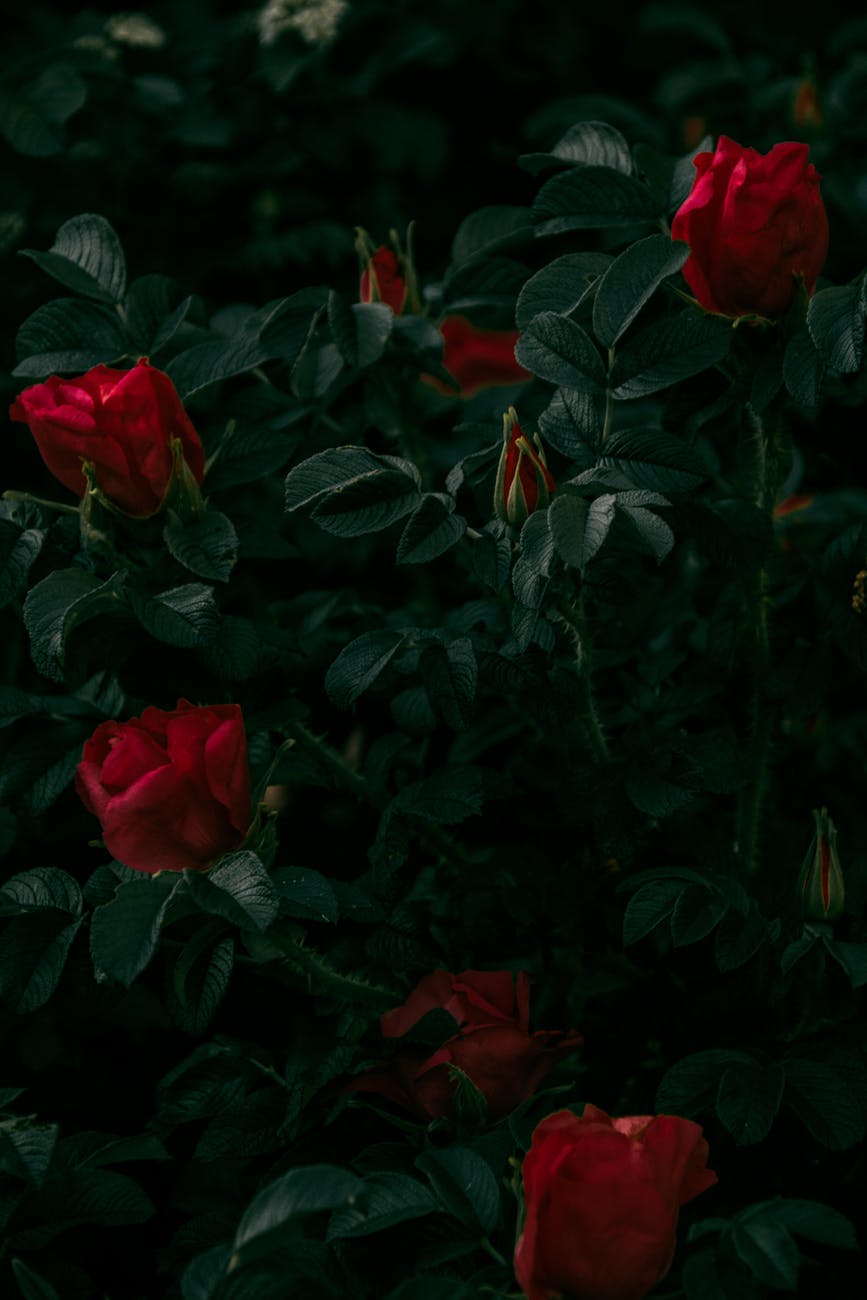
Love-Lies-Bleeding

Love Lies Bleeding Amaranth

Comfrey

comfrey

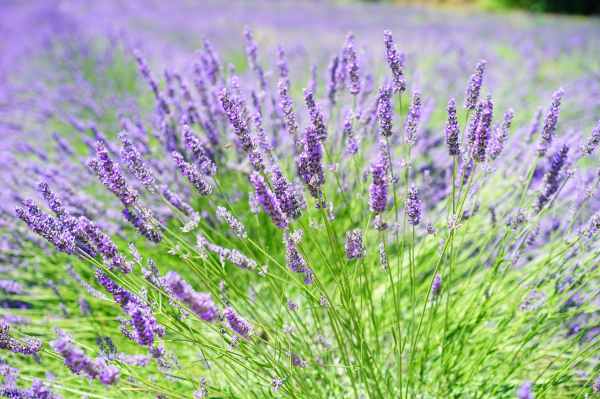
Lavender

close up photo of lavender growing on field

St. John’s Wort

st johns wort 2

Dock

yellow dock

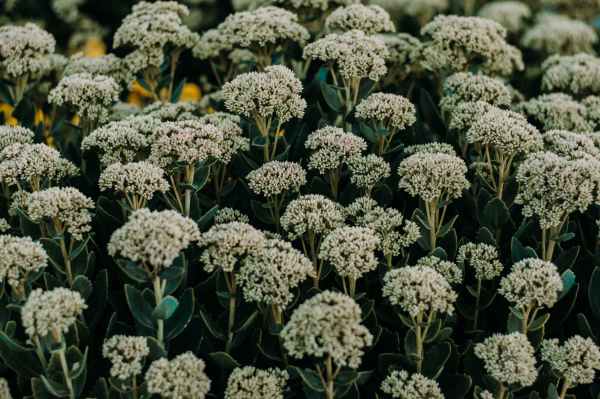
Yarrow

white cluster flowers in bloom

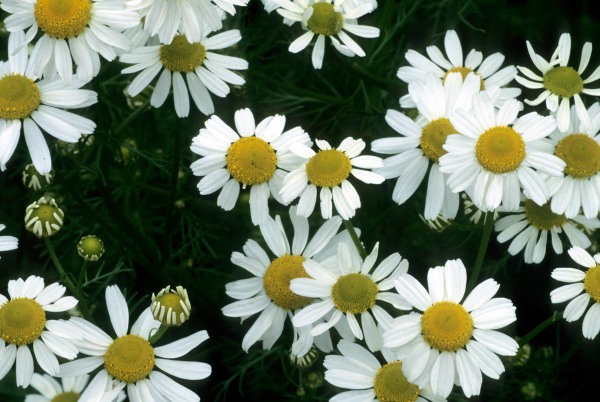
Chamomile

vampire's garden chamomile, aspasia s. bissas

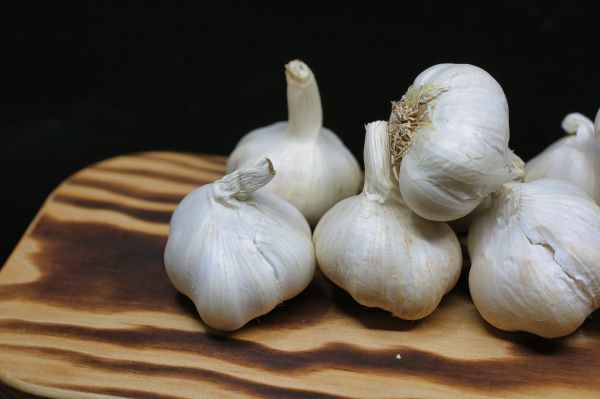
Garlic

Vampire's Garden: Garlic, blog post by Aspasia S. Bissas
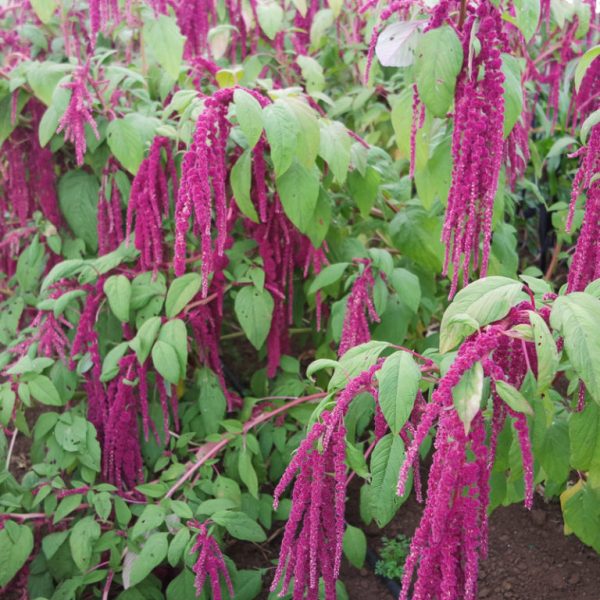
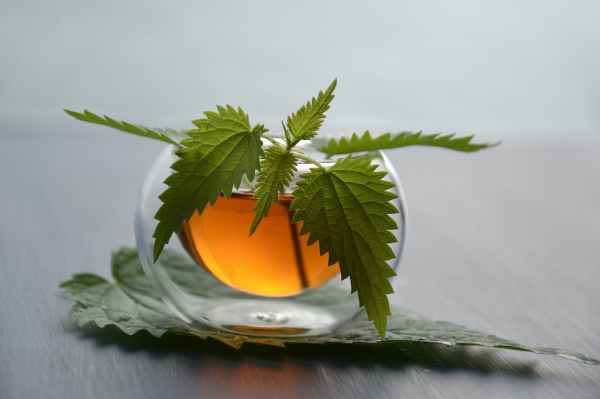
Nettle

Vampire's Garden: Nettles, blog post by Aspasia S. Bissas
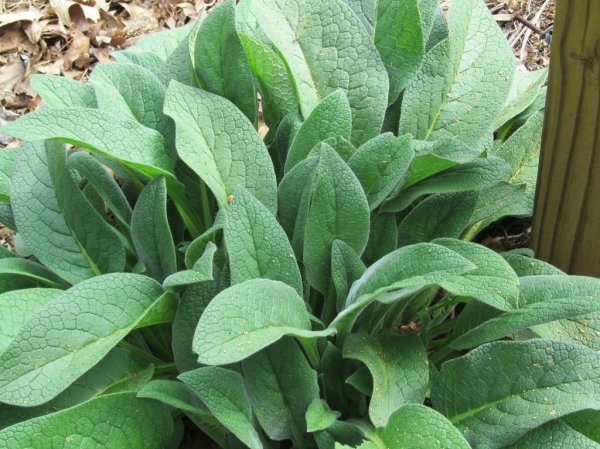
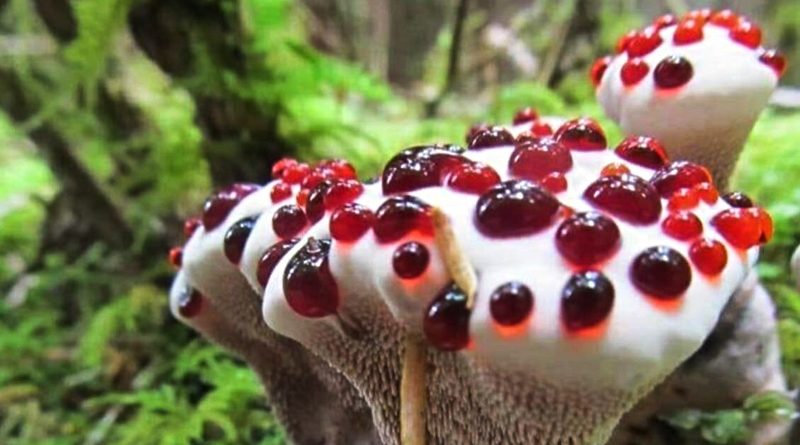
Bleeding Tooth Fungus

Vampire's Garden: Bleeding Tooth Fungus, blog post by Aspasia S. Bissas, bleeding fungus, devil's tooth, mushroom, mushrooms, bleeding mushroom, edible mushrooms, gross mushrooms, tripophobia, trypophobia, plants, botany, herbs, herbalism, vampire, vampires, aspasiasbissas.com

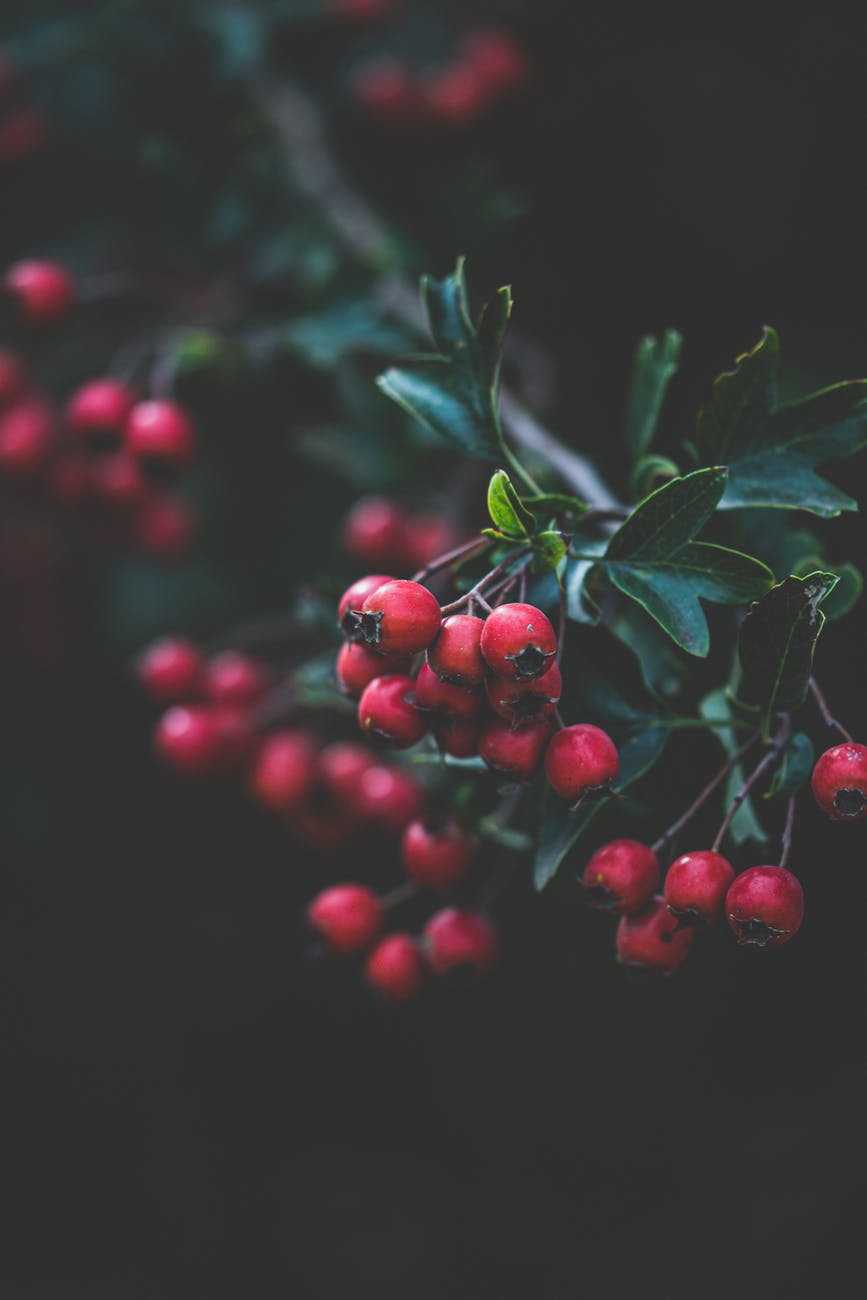
Hawthorn

Vampire's Garden: Hawthorn, post by Aspasia S. Bissas, aspasiasbissas.com

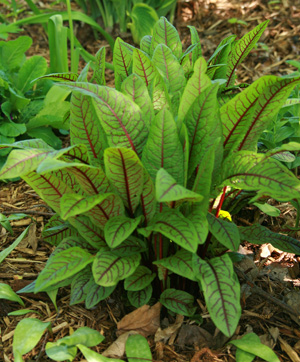
Bloody Dock

Bloody Dock, red-veined dock, bloody sorrel, red-veined sorrel, wood dock, Rumex sanguineus, Vampire's Garden, Aspasia S. Bissas, aspasiasbissas.com

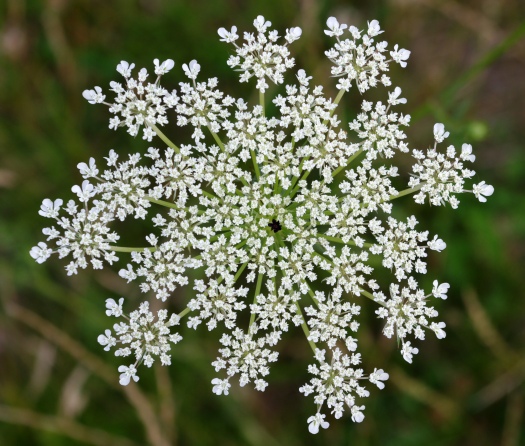
Queen Anne’s Lace

Vampire's Garden: Queen Anne's Lace, Daucus carota

Bleeding Heart

Photo by Pixabay on Pexels.com

Yew

Photo by Julia Filirovska on Pexels.com

Dragon Blood Tree

Meadowsweet

Blood Flower

  
Photo by Stream on Pexels.com

Bleeding Fairy Helmet

By Alan Rockefeller – Own work, CC BY-SA 4.0, https://commons.wikimedia.org/w/index.php?curid=99546442


 Feel free to check out my books too!


Love Lies Bleeding

Bleeding Heart

*Blood Magic

*Tooth & Claw

(Links take you to all available stores. Books marked * are free everywhere other than Amazon. Love Lies Bleeding and Bleeding Heart are also available in paperback.)

Cheers,

Aspasia


11 July 2015

Provence: Lavender

I think I've been dreaming of visiting the lavender fields of Provence for about twenty years now. Maybe longer. Since I first saw pictures of them, they (and Provence itself) seemed like a magical, beautiful place. You can find lavender fields in other places, of course: England, Canada (Quebec and BC), the U.S. (Oregon, Washington), but I don't think it's the same. With surreal blue skies, cypress trees, castles, hills, and Roman structures (some still in use so they can't be called ruins), Provence really is magical. While I'll probably visit other fields (I'm a bit lavender obsessed), I will always go back to Provence, as often as I can. I think you should too--especially since the lavender fields there are disappearing as farmers replace them with grape vines. Wine is nice, but I wouldn't travel halfway across the world to look at fields of vines (although I did end up seeing plenty of those too).

By the way, if you do ever find yourself in Provence and want to take any special day trips (lavender fields, wineries, chocolate or olive oil tasting, historic sites...) I highly, highly recommend Provence Authentic. My guide, Elodie, was fantastic--knowledgeable, helpful, enthusiastic, and great company. She also spoke excellent English. Having a guide makes good sense anyway--you'll get to see and learn about things you wouldn't know about otherwise. Not having to worry about driving or parking is a bonus; despite having survived driving in Greece (where you have to watch out for falling rocks, hairpin turns beside cliffs, and Greek drivers), I found French roads intimidating. My only complaint with Provence Authentic is that they don't operate in other parts of France--I'd love to take Elodie with me on the visit I'm planning to Giverny!

The fields we visited were in the Luberon region of Provence. The fields all bloom at different times from late June until August, so if you're planning a trip, do some research to find out which fields will be in bloom.


At one point I had to laugh because it does seem a bit strange to travel so far just to look at fields of flowers. But they were so beautiful (and smelled lovely too), it is totally worth the trip.


The flowers are darker in this field because the blooms aren't fully open yet.

Note the castle on the hill in the background. I'm definitely bringing my telephoto lens on my next trip.   


This farm was called "La Savonnade." Savon is soap and the lavender in the fields I saw is a type called Lavandin, used in soap and cleansers. The higher quality lavender that's used to make essential oil grows in the mountains and wasn't blooming yet while I was there.
The mallow blooming in the middle of the lavender was growing wild all over. Years ago I bought mallow plants for my garden.


This field contained only a single row of lavender. I'm not sure if it was planted just to mark a boundary or if there's a long term plan to plant the entire field with lavender.

I'm not sure what kind of plant this is (my guess is some sort of grass gone to seed) but I thought it was a pretty contrast to the lavender.

Elodie spotted this ladybug
This field with the neighbouring house and garden is perfection. This is where I want to live.


We spotted this rather large snail on the road--such a pretty shell.
Before we left we moved it to the grass away from the road. Happy trails among the lavender, little guy.

Next post: Beautiful Provence

Missed one of my posts about France? 

[Edited to remove dead links. Follow me on my official site: AspasiaSBissas.com]