24 February 2015

Sometimes "Good Enough" Is Good Enough (+ Chinese Tea Eggs Recipe)

It's been a while since I've posted anything other than book reviews--sorry for the repetitiveness, guys.

These last couple of years have been insane, stressful, and traumatic. There have been major losses. Plans fell completely apart. Dreams were shattered. Reality has left me emotionally battered. But things are slowly starting to feel okay again.

I keep having this conversation with a friend of mine about whether it's ever okay to accept something is "good enough." He's pretty adamant that you either do it right or don't do it at all. That's an excellent attitude to take if you're, say, a brain surgeon or a structural engineer. For the rest of us, though, I think we should cut ourselves some slack. Because if we don't, life will make sure to do it for us.

When our house was destroyed in the ice storm of December 2013 the day after we sold it, we had to spend the next several months (most of the year, actually) fixing it again before the sale could be finalized. It demanded so much of our time and attention, we could barely accomplish anything else. Should we have spent even more time and energy fixing the house to the buyers' preferences (that is, rebuild it with the upgrades and renovations they wanted as opposed to way the house was when they bought it) or was it okay just to restore it and make it livable again, or "good enough," so that we could finally move on with our lives? They bought it the way it was before the damage (which wasn't exactly horrible), so that's what they got again in the end. Good enough.

When our sale finally closed, we started looking for a new house for us, but the search wasn't going at all well. Rather than buy something out of desperation, we decided to temporarily rent a house while we keep looking. Renting got us out of the tiny, dreary condo the insurance company had stuck us in, gave us a place to call home again (with our own stuff back!), and gave the cats space and light. This house is far from perfect (in fact, it's got tons of issues), but for now, it's good enough.

When I'm too tired or stressed to continue the seemingly endless task of unpacking and setting up the new place (sadly compounded by all the damaged items we keep finding; damage caused not by the ice storm, but by the movers and restoration people who were supposed to be taking care of our things. Maybe they should also be part of that select group for whom "good enough" shouldn't be an option). At those times it's good enough for me to just read or cook or do something crafty. And that's perfectly okay.

In the spirit of Good Enough, I've decided it's better to post something rather than scrap a post because the timing is off or some part of it didn't turn out perfectly. So, I present you, somewhat late for the lunar New Year for which they are a traditional treat, pictures (taken with my phone because I wasn't up to dealing with the fancy SLR) and the recipe for Chinese Tea Eggs, or Cha Ye Dan, based on this recipe. It was an enjoyable process and resulted in smokey, slightly sweet, subtly spicy eggs (and not as salty as you would expect, given all the soy sauce). They didn't look as pretty as the one in the original picture, but they were good enough :)


Spices, sugar, soy sauce, and lapsang souchon tea are the basis for the marinade


The eggs needed a good, long soak to attain the marbled look


Chinese Tea Eggs

[My comments/changes in brackets]

½ cup soy sauce
½ cup sugar
½ tsp. whole black peppercorns
½ tsp. fennel seeds
8 whole cloves
2 whole star anise
2 sticks cinnamon
1 tbsp. loose-leaf smoked tea, such as lapsang souchong [I got mine from a local tea shop, but you can try a good supermarket, or get it from Amazon or another online store]
8 eggs

Bring soy sauce, sugar, peppercorns, fennel, cloves, star anise, cinnamon, and 2 cups water to a boil in a 2-qt. saucepan; remove from heat and add tea. Let steep for 10 minutes. Pour marinade through a fine strainer into a bowl and keep warm. [You'll need a deep bowl that can hold all the eggs. It's also not necessary to keep the marinade warm.]

Place eggs in a 4-qt. saucepan; cover by ½″ with cold water. Place saucepan over high heat and bring to a boil. [This is where I started diverging from the recipe. I found the instructions somewhat unclear, and the comments also indicated that they didn't work well. I ended up hard boiling the eggs. I used tongs to remove them from the water, placed them on a plate, and used the handle of a butter knife to gently crack the shells all over. I then placed the cracked, *unpeeled* eggs in the bowl with the marinade. I then placed the bowl in the fridge. After a couple of hours, I checked one of the eggs by peeling it. The colour hadn't really penetrated. So I left the eggs in the marinade overnight. The next morning I peeled the remaining eggs and had the results you see in the pictures above. You can marinate the eggs for a shorter period if you don't want the marbling to be so dark. Serve cold.]

Makes 8 eggs

Photos ©Whimsy Bower

[Edited to update title and add photo credit. Follow me on my official site: AspasiaSBissas.com]


04 February 2015

Review: Natural Beauty


With endless options for quality beauty products available in stores, why would anyone go to the trouble of making their own? Actually, there are a lot of good reasons. Making your own ensures your products contain only natural, high-quality ingredients, with no fillers, artificial colours, or preservatives (and once you've set yourself up with the basics, individual recipes are actually far cheaper than anything you can buy). With homemade preparations, you can also be sure to avoid animal testing (I keep finding out about companies that claim to be cruelty free, but are happy to use the loophole of letting other companies test for them. Not okay). Lastly, making your own is just fun. So, when DK offered me a chance to review their book Natural Beauty, I jumped at the chance to get crafty.

First, the good.  The book is beautiful, with tons of excellent photos, and packed full of information. Did you know your skin changes according to a daily, as well as monthly, cycle? Or how to read the label on a store-bought product? Or the difference between "rose otto" and "rose absolute"? With Natural Beauty you'll learn all that and more. I especially liked the Directory of Ingredients, with its in-depth coverage of individual flowers, fruits, oils and more (my only complaint: I have no idea how this section is organized--it doesn't seem to be by common name or Latin name. I guess you just have to search page by page to find what you're looking for). There are also sections on caring for your skin and hair by type, tips on eating well for specific beauty goals (like clear skin), info on DIY spa treatments, and somewhat incongruously, an entire chapter on how to wear makeup. While I thought it was fun that the book tells you how to recreate makeup looks based on the elements (earth, air, water, fire, wood, and metal), I don't think makeup and "natural beauty" exactly go hand in hand. Some people might like it, though, and there's some solid information here on how to apply makeup correctly. At the end of the book there are also charts comparing vitamins, minerals, nutrients, and superfoods. And there are plenty of recipes, for just about every beauty product you can imagine.

Unfortunately, I found the recipes to be a bit of a let down. I was disappointed by the number of them that were listed as being suited to "all" skin types. After the great information on the different skin types and their specific needs, I had been hoping for more customized recipes (or at least more suggestions on how to customize them). As someone with both dry and extremely sensitive skin, I can tell you that products labelled as good for "all" skin types really aren't. And one of the few recipes included that was actually for sensitive skin contained chamomile, which I'm allergic to. Not a promising start.

The first recipe I tried was the Coconut Shaving Balm. I did substitute a few ingredients, choosing to go with what supplies I had on hand: Instead of shea butter I used jojoba oil; I replaced carnauba wax with beeswax; and rather than buy pricey chamomile essential oil (which I'm allergic to anyway) for the single drop the recipe called for, I decided to use benzoin essential oil, which I already had and has a preservative effect. While the instructions were clear and the Balm was easy to make (I don't think even a total newbie would find this a challenge), it didn't work out for me. I don't know if the problem was due to my substitutions or a fault with the quantities in the recipe, but my Balm never set (it solidified when refrigerated but turned liquid again at room temperature). It smelled nice, though, and worked as it was supposed to--moisturizing my skin and resulting in a nice smooth shave. And while it didn't look like a lot, it turned out to be more than enough for my legs, with plenty left over for future uses. The downside is that it clogged my razor with oil and hair that then wouldn't rinse out (which was as pleasant as it sounds) and made the whole process take much longer than it should have. Since I don't know anyone who wants to spend even more time shaving, I think this would maybe be better used afterwards instead, as a moisturizer.

Next, I made the Dry Shampoo. This time I didn't make any substitutions. The instructions were incredibly easy to follow and the shampoo came together quickly (and smelled great, thanks to the peppermint essential oil). It was also easy to use, although I'm not sure you save that much time over just washing your hair the usual way, and the results were only okay. My hair looked cleaner but I wouldn't go so far as to say clean. The greyish cast it left on my hair no matter how much I brushed it made my hair look dusty and weird. Eventually the grey mostly went away, but I still wouldn't want to leave the house after using this, which kind of defeats the purpose. It did last for a long time though--maybe longer than regular shampoo. I think it would be useful for touch ups in between shampoos, or for lazy days at home. There's also a version for dark hair that uses cocoa powder.

I had the most success with the Honey and Oat Scrub. Like the other recipes, it was easy to make and smelled lovely (essential oils pretty much always smell fantastic). The scrub was on the sticky side, which made it somewhat tricky to use (it might work better as body scrub rather than on the face).  It also left my skin feeling dry, but that was remedied with a generous application of lotion, Despite these issues, the scrub left my skin feeling soft and smooth and gave it a glow that lasted longer than other scrubs I've tried. I'll definitely be making this one again.

Natural Beauty is an excellent resource for anyone interested in making their own all-natural beauty products. The recipes may take some experimenting to find the ones that work best for you--I suggest you try a few, don't be afraid to make changes to suit your needs, be flexible in your expectations, and--most importantly--have fun with it.

Want more information about Natural Beauty or other books to inspire you to start something new? Click here.

[Edited to update link. Follow me on my official site AspasiaSBissas.com]


25 October 2014

Review: Coffee Obsession


I have a confession: I love coffee but I don’t drink it. At least, I don’t drink the kind that coffee snobs would approve of. I will have the occasional cup of regular drip-filtered coffee if I’m desperate for caffeine, but what I really like is a rich coffee flavor embedded in milk, sugar, and ice. Lots of ice. My current favourite is Tim’s Iced Capp with a Creamy Caramel flavour shot (addictive).


This time of year I’ve also been known to go for their Pumpkin Spice shot, which happens to be the current subject of mockery of a series of commercials that urge viewers to respect the (coffee) bean. While I think people should have their coffee in whatever form they please (with or without pumpkin), there is something to be said for respecting the bean. DK’s book Coffee Obsession is all about respecting the bean, along with the coffee traditions of cultures around the world. Best of all (for cookbook fanatics like me, anyway): there are recipes. Whether you’re a purist or prefer a little coffee with your milk and sugar, this book is an awesome resource. 

Coffee Obsession features info on the history of coffee; coffees of the world; café culture; species and varieties; growing, harvesting and processing; cupping (the coffee equivalent of wine tasting); choosing and storing your beans; home roasting; equipment; and, of course, making the best possible cup of coffee. There’s even a section on making latte art.

COFFEE FACT: Marsabit is the only area in Kenya where wild Rubiaceae has been found. The study and conservation of the coffee gene pool in these forests will benefit coffee all over the world.

Besides all the information packed into this book, it is visually stunning. DK really does excel at including great photos in all their books, and Coffee Obsession is no exception. There are also tons of illustrations—the book is fun to look at, as well as read.

COFFEE FACT: Guatemala is the 10th largest coffee producer in the world, with about 2.5% of the world market.

Recipes cover everything from the basics (Cappuccino, Mocha, Café au Lait, Americano), to more exotic and creative concoctions (Sassy Molasses, Caffe Touba—Senegalese coffee, Cherry Almond Latte, Ca Phe Sua Da—Vietnamese iced coffee, Espresso Martini). There are also recipes for syrups and flavourings, for those so inclined. As I was looking through the pages of recipes, I got more and more enthused about trying them all. I clearly have some experimenting to do.

COFFEE FACT: Nobody knows exactly how many coffee species there are, but to date, around 124 have been identified—more than double that of just twenty years ago.

One concern I did have with the book was with the editing: just flipping through I immediately noticed “Banana Split” was misspelled as “Spilt.” Besides being annoying, it does raise the concern that there could be bigger mistakes, particularly in the recipes (quantity errors, for example). Hopefully that’s not the case, but when trying recipes, keep an eye out for anything that seems off.

COFFEE FACT: Hawaiian coffees (eg Kona) are some of the most counterfeited in the world.

While Coffee Obsession isn’t exhaustive (and to be fair, it’s unrealistic to expect any book to be), overall it’s a great book on the subject, and a worthy addition to any coffee-lover’s cookbook collection. You’ll find tons of knowledge and inspiration here, and there’s a good chance you’ll end up with a whole new appreciation for this eternally popular beverage. You might even discover a new favourite way to enjoy your daily fix. DK sent me my copy, but you can get your own here (it’s on sale too). Or, click the badge to see other foodie-friendly books currently on sale:

http://cn.dk.com/static/cs/cn/11/nf/features/food-and-drink-boutique/index.html

 
[Edited to update links. Follow me on my official site: AspasiaSBissas.com]

08 October 2014

Review: Cooking Season by Season (+Seared Halloumi Cheese with Figs Recipe)


I love eating seasonally. Who wouldn’t? It’s a way to ensure you get the best local produce at its peak, and usually at a better price than at any other time of the year (unless you grow your own, which is better still). With farmers’ markets popping up everywhere (in Toronto, every neighbourhood seems to have one—even City Hall has a weekly market out front), it’s even easier to get seasonal fare. The only problem is figuring out what to do with it. If fresh clams are suddenly everywhere, or venison turns up at the market, do you buy them and hope for the best? Or when you’re confronted with luscious piles of peaches or zucchini, what do you do with it all? Everyone’s probably got a couple of standard recipes for their favourite seasonal foods, but you can only eat so much clam chowder or zucchini bread before you get bored. Or what about those foods you see year after year and would love to try, but aren’t sure what to do with them? That’s why DK’s Cooking Season by Season is perfect.

This massive book is filled with information, photos, and recipes, all organized seasonally (I also love that early summer and high summer are split—perfect for gardeners). There’s even a section at the front featuring foods available year-round. Throughout, certain foods are singled out with a focus on varieties, as well as buying, storing, cooking, and preserving info (I just wish there were more of these special focus pages). The recipes are the real stars, though. There’s a great variety, simple to execute, with delicious results. For this review I tested four of them (all Fall recipes, of course):

Cajun Sweet Potato and Bean Soup
 
Even with a fair amount of chopping to do (my least favourite cooking task), this soup was a pleasure to make. With all the colours, it was like autumn in a pot. Besides being pretty to look at, the soup is delicious. It’s spicy and flavourful—even the SO agrees, although he deemed it too beany (knowing his bean aversion, I added only 2/3 of what the recipe called for. The beans were still quite prominent, although I didn’t find them overwhelming, so adjust according to your own tastes). Not only is the soup satisfying and filling, but it’s also super healthy; you can easily make it vegan by omitting the chorizo (add a hot pepper or extra chili flakes and a touch of liquid smoke to compensate).

I did have a slight issue with the directions, which instruct to partially puree the soup. We prefer our soups chunky in this household, so I’d skip this step anyway, but it does seem somewhat unappealing to puree meat and beans. Maybe that’s just me. But if you plan on pureeing the soup, I suggest cooking the sausage separately, then adding it and the beans after the rest of the soup has been through the blender.
 
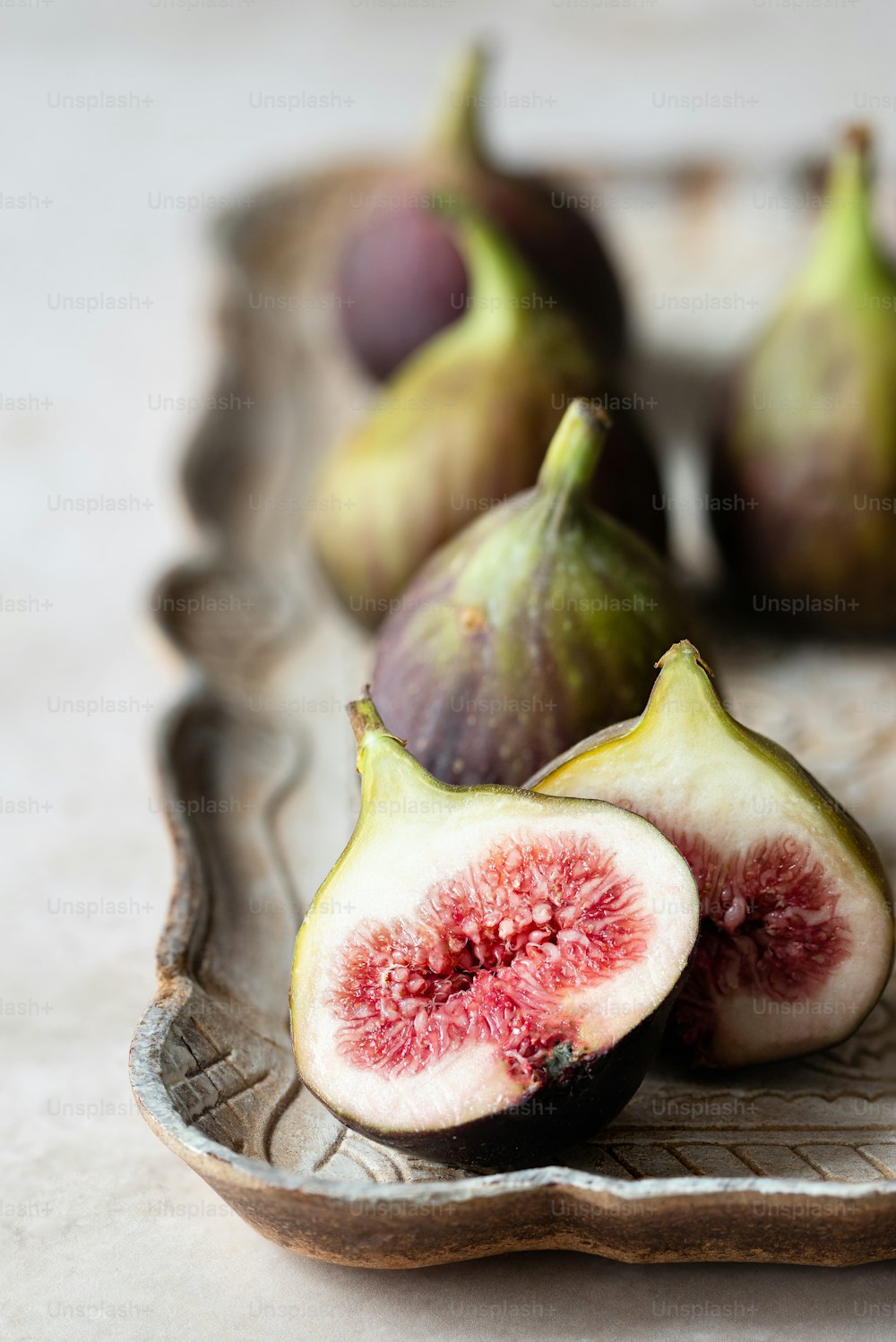
figs on a plate on a table

 
Seared Halloumi Cheese with Figs
 
OMG—I loved this. The dressing ingredients (a combination of red wine vinegar, cilantro, hot pepper, and garlic) scared me a bit—at least the thought of them combined with figs and cheese did—but it was fantastic. Everything melded together brilliantly—this is probably one of the best salads I’ve ever had. It was so good that my SO—who claims to hate cheese, salad dressing, and wilted/cooked veggies—thought it was great. Part of its appeal for him might have been that the dressing reminded him of Thai flavours. Whatever the case, this was easy to make and will definitely become a regular addition to our table. Even better, if you want to omit the cheese and figs (which can be pricey and hard to find), the dressing would still be fantastic with plain greens (or maybe greens and different types of fruit and salad veggies). This is worth making and experimenting with again and again. I’m including the recipe so you can try it for yourself:

Seared Halloumi Cheese with Figs

10 oz (300 g) halloumi cheese, cut into ¼” (5 mm) slices
8 large ripe figs, cut into quarters lengthwise
Large handful of mixed salad leaves
¼ cup red wine vinegar
Small handful of cilantro, finely chopped
1 red chile, deseeded and finely chopped
1 garlic clove, crushed
Drizzle of olive oil, to serve

Put the halloumi and figs in a large, nonstick frying pan over medium heat and cook for 2-3 minutes on each side until they start to brown. Once cooked, place on a platter with the salad leaves [I placed the warm cheese and figs on the salad leaves, which is how I got the wilted effect.]
Pour the red wine vinegar into the same pan and increase the heat slightly. Add the cilantro, chile, and garlic and simmer over med-high heat until the sauce has reduced in volume by three-quarters. Pour sparingly over the figs and cheese [I poured it all over the entire dish]. Splash the salad with the oil and serve immediately.
 
Serves 4

There’s also a seared pancetta and feta variation, but I’ll let you get that with the book

 
Stuffed Mushroom with Herbs
 
Stuffed mushroom are something of a pain to make (although it’s much easier if you use a food processor) but well worth the effort. These ones were no exception. Herby, nutty, garlicky, and lemony—they’re tasty and pleasantly light. The SO wasn’t as thrilled with these, though—he wasn’t a fan of the lemon or the lack of meat (he’s the real reason I can never be a vegetarian). I, on the other hand, had no trouble polishing off four of these babies. The wild mushrooms are a nice addition but not strictly necessary, so if you want to make these at a different time of year, just use cremini or even white button mushrooms instead of the wild ones.  I think next time I might also try toasting the walnuts first.


Crispy Sweet Potato with Zucchini and Chive Mascarpone
 
Unfortunately, the last recipe ended up being a disappointment. The sweet potato was nice (and it did get crispy) but the zucchini was meh and the cheese is super bland (the addition of salt and maybe garlic might have improved things). It was an easy dish to put together, though, and if you like really simple flavours, this could be the recipe for you. I’ll probably make the sweet potatoes again, but I’ll skip the other components.
 

I didn’t plan to make mostly vegetarian recipes, but as a vegetable lover (yes, we exist) it’s nice to know there’s a good variety of veggie-focused recipes in this book to choose from. To give you an idea of what other types of recipes you can find in Cooking Season by Season…

Spring: Pork and Clam Cataplana; Cheesy Bacon and Spring Onion Muffins; Thai Fish Cakes; Roasted Quail and Pea Shoot Salad; Pan-Fried Ham with Pineapple Salsa; Rhubarb and Ginger Upside-Down Cake

Early Summer: Battered Haddock with Lemon Mayonnaise; Herb and Garlic Artichokes; Curried Vegetable Pies; Chicken Fajitas with Tomato and Avocado Salsa; Strawberries and Cream Macarons; Cherry Jam

High Summer: Mini Chicken Burgers with Tomato and Chile Sauce; Spicy Sausage and Tomato Skewers; Brandied Lobster Chowder; White Fish with Spinach and Pine Nuts; Peach Tarte Tatin; Plum and Rum Jam; Green Bean and Zucchini Chutney

Fall: Beef with Beets and Spinach; Grilled Squid Salad; Rosehip Soup; Venison Wellingtons; Butternut Squash Stuffed with Ground Beef; Black Olive and Pepper Ciabatta; Blackberry and Apple Cake; Spiced Pear Pickle

Early Winter: Mussels in Coconut and Lemongrass Broth; Roast Pork with Bacon and Chicory; Shredded Turkey, Mint, and Pomegranate Salad; Stuffed Roast Goose; Brussels Sprouts with Chestnuts and Pancetta; Salsify Fritters; Chocolate Orange Truffle Cake; Apple Butter; Cider (that's right--it’s a recipe for how to actually make cider)

Late Winter: Jerusalem Artichoke Soup with Saffron and Thyme; Crispy Bacon and Avocado Wraps; Chicken and Cornmeal Cobbler; Wasabi Beef and Bok Choy; Fish and Leek Pie; Lemon Cheesecake; Rosemary Jelly

Of course there are way more recipes in this book than I could possibly share here, everything from appetizers to pizzas, to desserts, drinks, and preserves. Basically, you’ll never again be able to use the excuse that you don’t know what to do with X veg/fruit/fish/meat. I owe huge thanks to DK for sending me this book to review. I highly recommend it, and lucky you—it happens to be on sale right now. Click on the button below and go on and get cooking!

http://cn.dk.com/static/cs/cn/11/nf/features/food-and-drink-boutique/index.html

 
[Edited to update title and links, and for formatting. Follow me on my official site: AspasiaSBissas.com]

30 April 2014

Review: Mediterranean Cookbook (with Saganaki Recipe)

http://cn.dk.com/nf/Book/BookDisplay/0,,11_9781465417619,00.html#

When DK contacted me about reviewing a book from their Mother's Day boutique, my first instinct was to say no. Ever since my mom died, Mother's Day hasn't exactly been a happy time for me. But I decided to take a look at the books anyway. I was happy to see a good selection on offer, and when I saw the Mediterranean Cookbook it immediately reminded me of my mom, an amazing Greek cook. So in honour of her I thought I'd go ahead and review the book, after all, and test a few of the Greek recipes while I was at it.

Before I get to that, let me first say that the book has a satisfying heft to it. It's well designed, has plenty of lovely photos, and tons of tempting recipes from all over the Mediterranean region (albeit a tad heavy on Italy). I liked that it also includes special sections on the cuisines and foods of the different areas; the Greek one brought up pleasant memories for me (the others were just fun to read about).

The first recipe I tried was Revithosoupa, a chickpea-potato soup with rosemary and lemon that's apparently a specialty from Corfu. I actually had never had this soup before (maybe because my family hails from Sparta), which is unfortunate because it's really good. It's delicious (fresh and bright), filling (but not heavy), healthy, and easy to make. One bowl was a great light meal, but it would also be good as a side. It's also vegan (I suspect it originated as a dish for Lent). This is something I'll be making again.

Next I made the Saganaki, a classic you probably know from your neighbourhood Greek restaurant. This version does not get flambeed, but as my cousins like to point out, that's just for the tourists. It might not be authentic but it is fun, so if you decide to flambe the dish anyway (shouting "Opa" is optional), remember to do so with caution. Try explaining to the insurance company that your house burned down because your flaming cheese got out of hand. In any case, this was another easy recipe, taking all of ten minutes from start to finish. Maybe not as healthy as the soup but just as delicious: crispy and salty with a tang of lemon. Even my cheese-hating SO approved, stating, "That's a very inoffensive cheese" and likening it to a lemony grilled cheese sandwich (minus the bread). High praise indeed. For your eating pleasure I've included the recipe below.

Lastly I made Keftedes Tiganites, which translates as Fried Meatballs. My mom made these all the time (often serving them with rice and a red sauce), so I'm quite familiar with them. At some point over the years my mom switched from frying the meatballs to baking them, so I did the same with this recipe. They're good either way, but I prefer to skip the extra fat. The recipe in Mediterranean Cookbook differs from the one I'm used to, and--no surprise--mom's wins. Although the book's version is easy to make (this seems to be a common theme), the SO and I both agree that the meatballs were only okay. Of course, we're prejudiced. If you get the book, give them a try for yourself and see what you think.

While I stuck to testing Greek recipes in honour of my mom, she was always happy to try new things. The Mediterranean Cookbook offers all kinds of tasty possibilities, including:

Middle East/Turkey/Lebanon/Israel: Marinated Olives, Mujaddara (rice, lentils & crispy onions), Kibbeh Samiyeh (spiced meat dumplings)

North Africa/Morocco/Egypt/Tunisia: Beid Hamine (spiced eggs), Tagine bin Hout, Bstilla bil Djaj (savoury tart)

France/Provence/Languedoc: Sardines Farcies aux Epinards (stuffed sardines), Tomates Confites, Daube (beef stew)

Portugal: Pasteis de Bacalhau (cod fritters), Rojoes de Porco (potatoes and pork), Acorda de Mariscos (bread and seafood stew)

Spain/Andalusia: Arroz a la Cubana, Atun (tuna) Escabeche, Churros

Italy/Sicily/Tuscany/Sardinia: Acquacotta di Funghi (wine & mushroom soup), Ravioli alla Fiorentina, Risotto Primavera, Pizza Napolitana, Cannoli

Balkans & Pyrenees: Tarator (garlic-walnut soup), Omelet Basquaise, Piperade Sauce

My big complaint with this book? The Moussaka recipe. Now, since moussaka (a layered dish of meat and vegetables with a creamy topping) is my absolute favourite food, I'll be the first to admit that I'm not forgiving of versions other than my mom's. I will tolerate reasonable facsimiles; however, the recipe in this book is absolute sacrilege. The filling seems passable, but the topping is the real problem: under no circumstances does Greek yogurt or feta cheese belong in moussaka. Ever. Moussaka has to be topped with Bechamel. Perhaps the author wanted to make a lighter version of the dish--that's still no excuse. If I had access to my mom's recipe right now I'd share it because it really is the best moussaka of all time (perhaps I'll do a future post on it). In the meantime, I suggest that anyone wanting to make Moussaka using the Mediterranean Cookbook use the topping from the Pastitsio Makaronia recipe instead of the one given for the moussaka (it's at least in the ballpark of what the topping should be).

Other than the moussaka issue, I think this is a great book. I can see myself using it over and over, and many of the recipes becoming favourites. I think my mom would have liked it too, and that is the best seal of approval I can think of.

Saganaki

2 x 8 oz (250 g) packages halloumi cheese [I found it in the deli section of my local supermarket]
flour, for dusting
1/2 cup olive oil, plus extra for drizzling
2 handfuls of thyme or oregano leaves [I used dried because that's what I had]
juice of 2 lemons [I found 1 lemon to be plenty]
1 lemon, cut into wedges to serve [optional]

Rinse the halloumi cheese before using to rid it of excess salt; dry well on paper towels. Cut the halloumi into 1/2" (1 cm) thick slices and lightly dust with flour [I dipped mine into the flour and shook off the excess.]

Heat the 1/2 cup oil in a non-stick frying pan over high heat and cook the cheese for 2-3 minutes on each side, or until golden brown.

Remove from the pan and sprinkle with the thyme/oregano and lemon juice. Serve immediately with a little oil drizzled over the cheese and with lemon wedges on the side [I skipped the extra oil and lemon wedges and didn't miss them, but the book's way is more traditional.]

The book suggests serving with crusty bread and a spinach and red onion salad. I think it would also be great served alongside tomato wedges and cucumber slices (lightly salted, sprinkled with oregano, and drizzled with olive oil).

Serves 4 to 6 as an appetizer.


Want to buy the Mediterranean Cookbook for your mom (or yourself)? It and a bunch of other DK books are on sale now--just click on the badge and get cooking...


http://cn.dk.com/static/cs/cn/11/nf/features/mothersdayboutique/index.html


Mediterranean Cookbook, edited by Marie-Pierre Moine. Published by DK.

 [Edited to update title and add link. Follow me on my official site: AspasiaSBissas.com]

13 April 2014

Review: The Kitchen Garden Cookbook (+ Green Beans with Toasted Hazelnuts Recipe)


I'm a fan of cookbooks. I enjoy reading them, drooling (figuratively) over the illustrations and photographs, trying out the recipes, and basking in all the potential they offer. My interest in cookbooks has led to a nice collection of two hundred-ish books (and a somewhat ridiculous collection of loose recipes gleaned from newspapers, magazines, and the internet). Some might be satisfied with that number but I'm always on the lookout for interesting and creative additions to my collection. The Kitchen Garden Cookbook has turned out to be a great one.

On the practical side, the book is well designed and organized. Conveniently divided by season, each section offers recipes featuring the fruit, veggies, and herbs that are ripe during that particular season. This works well if you're a gardener with a glut of produce (and what gardener isn't?) or just want to eat store-bought food when it's at its peak. Although the food at the grocery store will never be as good as homegrown, even the big box stores will have tastier tomatoes in August.

As each new food is introduced in the book, a sidebar is included with info on picking, storing fresh, preserving and freezing that food. Even better, there are special features throughout on various methods of preserving and storing your bounty, from preserving vegetables in oil, to making pickles and relish, bottling fruit in alcohol, making jelly and conserves, and storing root crops in boxes. This info is invaluable, especially if you grow your own; being able to save part of your harvest for later is nearly always a necessity, and there are some ideas here I haven't seen elsewhere. Big thumbs up.

There are also tons of tempting recipes (most with pictures) in The Kitchen Garden Cookbook. A few I can't wait to try include: (Spring) Braised Cauliflower with Chiles and Cilantro, Swiss Chard Cheese Tart, Rhubarb and Custard Ice Cream; (Summer) Warm Tomato and Garlic Vinaigrette, Papas Arrugadas ("wrinkly potatoes"), Basil and Vanilla Custard, Fresh Mint Cordial; (Autumn) Butternut Squash Tagine, Pumpkin and Orange Spiced Jam, Portuguese Apple Fritters; and (Winter) Spicy Spaghetti with Broccoli, Wasabi Beef with Bok Choy, and Jerusalem Artichoke Soup with Saffron and Thyme.

I did get to try three of the recipes from the book. Confession: the recipes I made were all out of season. Unfortunately, we're still staying at the insurance-provided condo while our house remains in unlivable condition, so our pantry is severely limited right now. That, coupled with a choosy (some might say picky) co-eater meant having to stick with recipes approved by him, which also required minimal ingredients and equipment. I managed to find three.

The first recipe I tried--Baked Ricotta with Roasted Tomatoes (Summer)--was disappointing. Not to get all Food Network on you (although I have been watching way too much of it lately) but this dish seemed one-note to me. I think some fresh basil would have made all the difference (I'd also skip the roasted red pepper and put in more tomatoes). Luckily, I had better luck with the next two recipes.

I really enjoyed the Leek and Potato Soup (Winter). It was easy to make, healthy, and tasty. I liked the technique of mashing the potatoes and adding them back to the broth, which resulted in a nice texture that was neither too chunky nor too smooth. I also appreciated that it's served warm (much preferable, imo, to the cold versions out there).

The final recipe I tried was our favourite: Green Beans with Toasted Hazelnuts (Summer). Another easy, healthy, and tasty one. If you don't like hazelnuts you can substitute almonds or pecans. In any case it's one you should try:

Green Beans with Toasted Hazelnuts

8 oz (250 g) green beans, trimmed
sea salt
2 tbs butter, cut into bits
1/2 cup hazelnuts, toasted, skinned and coarsely chopped [We didn't skin ours and they were just fine]

1. Put the beans in a pot of salted water and boil [or steam over the water] for 5-6 minutes, or until they are cooked but still have a bit of bite to them. Drain and then refresh under cold water so that they stop cooking and retain their color.

2. Transfer to a serving dish and top with the butter and toasted hazelnuts.

[If you want to go to slightly more effort, you could stop boiling/steaming the beans a couple of minutes early and transfer to a frying pan over med-high heat with the butter and chopped nuts. Cook, stirring, for about 2 minutes. This results in the beans getting nicely coated in the nuts.]

The recipe recommends serving this dish with lamb or chicken. We had it with chicken, but I think it would work well with any protein.

Want your own copy of The Kitchen Garden Cookbook? Lucky you--it's on sale now (along with lots  of other awesome reads) at DK Canada:

http://cn.dk.com/static/cs/cn/11/nf/features/earthly-pleasures-boutique/index.html


The Kitchen Garden Cookbook by Caroliine Bretherton

[Edited to update title and link. Follow me on my official site: AspasiaSBissas.com]

05 April 2014

Apron Strings 6

Every time I finish making an apron, I inevitably think: "This is the best one yet." But the utility apron I just finished really is the best one.

To start, how awesome is this fabric?


The background here looks grey but in reality it's more of a soft aqua (the colour shows up better in the next photos). 


Secondly, the apron was easy to make. I could have probably knocked it out in an hour (two, tops). But not only was it simple, it's practical and customizable. And you get to channel Batman with your own (much cuter) version of a utility belt.

I made pockets to hold my sewing scissors, a pen, and my phone, as well as two large pockets (in the middle) to hold odd-shaped items or anything else I might need (like the magnifying glass in the photo).


I really love the scissors pocket. When I'm sewing, my scissors never seem to be handy. No more!


Cute apron, easy to make, comfortable to wear, and customized to your needs. Best apron ever? I think yes.

I used this tutorial (big thanks to Rosey Corner Creations for sharing).
Fabrics from Dragonfly Fabric.

Photos ©Whimsy Bower

[Edited for formatting and to update link. Follow me on my official site: AspasiaSBissas.com]